
The character of a nation's justice system is judged not only by the fairness of its courts but by the conditions in which it holds those its courts have convicted. The Gambia's prison system is characterised by chronic overcrowding, inadequate sanitation, insufficient healthcare, and the absence of meaningful rehabilitation programming. Conditions at several facilities have been documented by international human rights organisations as falling below the minimum standards required by international law. Mile 2 Central Prison has for decades been associated not only with legitimate detention but with the political abuses of previous administrations, whose victims suffered there without legal basis. Beyond the physical conditions, the system fails at its core function. Most people who pass through Gambian prisons emerge with no new skills, no vocational training, no counselling to address the underlying factors that contributed to their offending, and no reintegration support. A significant proportion of people in custody at any given time are awaiting trial and have not been convicted of any offence. Many have been detained for extended periods, in some cases years, in conditions that punish them as effectively as a formal sentence, without the legal process that justifies imprisonment. The National Builders Party will rebuild this system from the ground up, because a justice system that degrades the people it holds does not serve justice. It perpetuates harm.
A Gambian correctional system that holds people in conditions consistent with their dignity as human beings, regardless of what they have done. Where rehabilitation is not an aspiration but a structured programme that begins from the first day of custody and continues through a supervised transition back to the community. Where correctional officers are trained, professional, and fairly paid. Where pre-trial detainees are separated from convicted prisoners and held for days or weeks, not years. Where the measure of the system's success is not the severity of the punishment it delivers but the reduction in reoffending it produces. Where the communities to which people return after custody are safer because of what happened while those individuals were in the system's care. These new correctional facilities will symbolize a clean break from the past and a new chapter in national dignity, fairness, and justice.
The NBP will enact a Gambia Correctional Service Act renaming the institution from the Prison Service to the Gambia Correctional Service, signalling in the most direct institutional way that the purpose of the system has changed.
The Act will enshrine rehabilitation as the primary purpose of the correctional system, establish compliance with the Nelson Mandela Rules, the Bangkok Rules, and the UN Convention on the Rights of the Child as legal obligations, create the Independent Correctional Inspectorate with public reporting powers, establish the Prisoners' Complaints Mechanism, codify maximum pre-trial detention periods, and create the legal framework for professional governance of the Gambia Correctional Service. Third-party civil society observers, the Ombudsman's Office, and the Ministry of Health will all have independent monitoring access to every facility at all times.

The NBP will commission a comprehensive engineering and human rights audit of every prison and detention facility within the first year of government, and will demolish and rebuild every facility that falls below the minimum international standard.
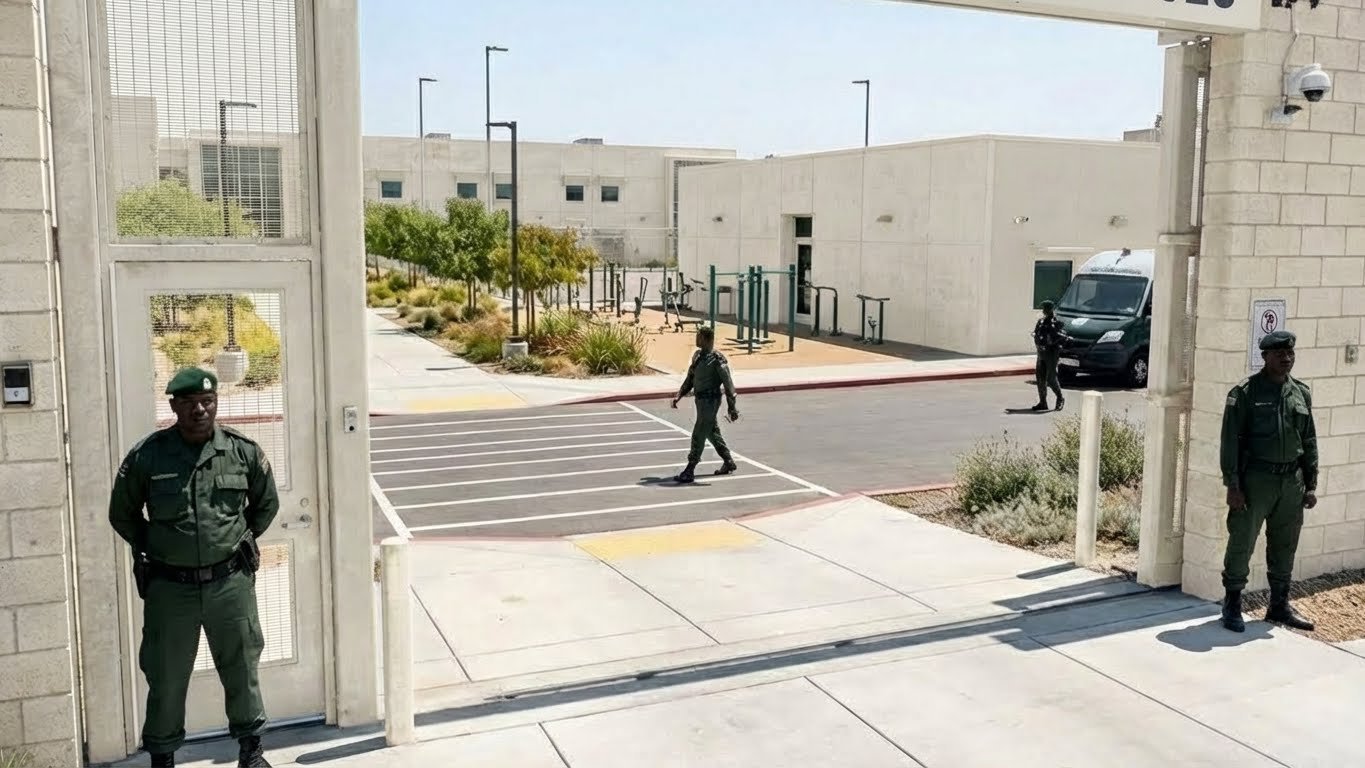
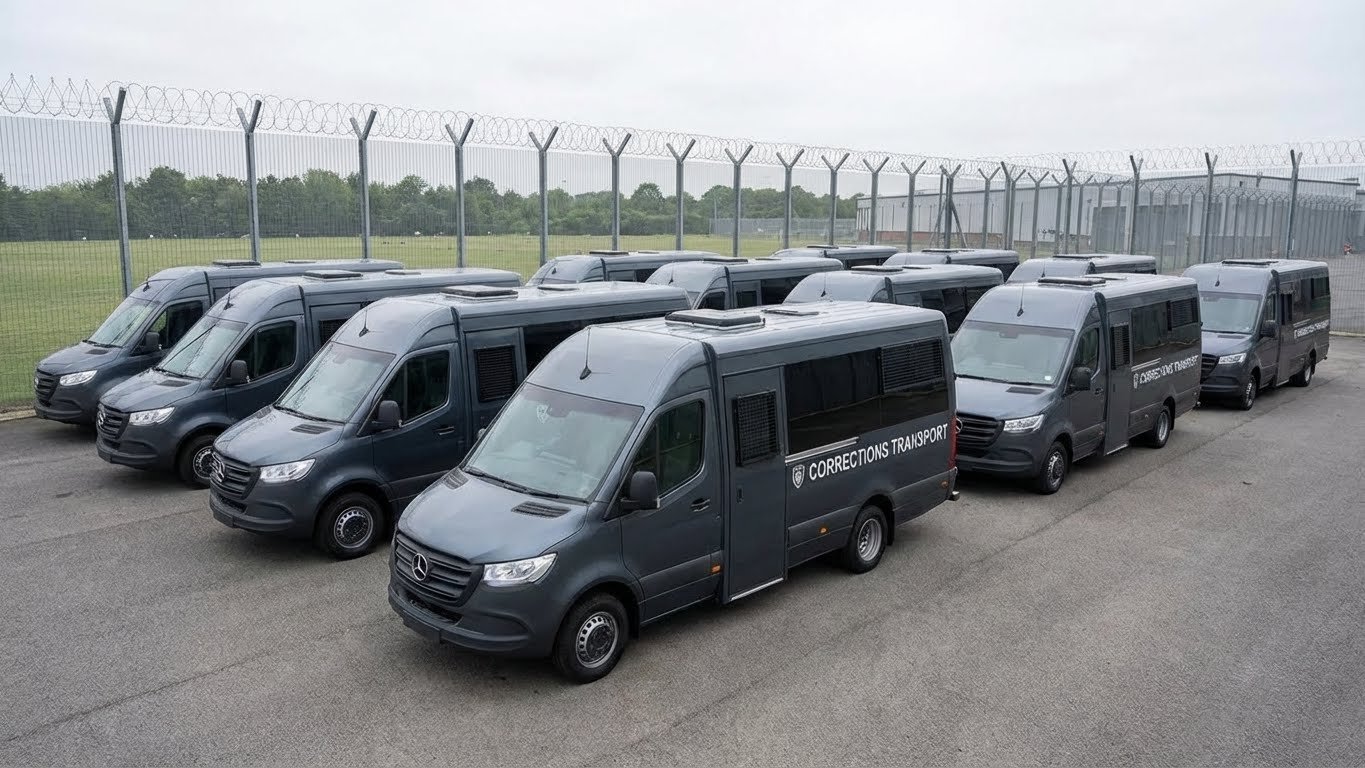
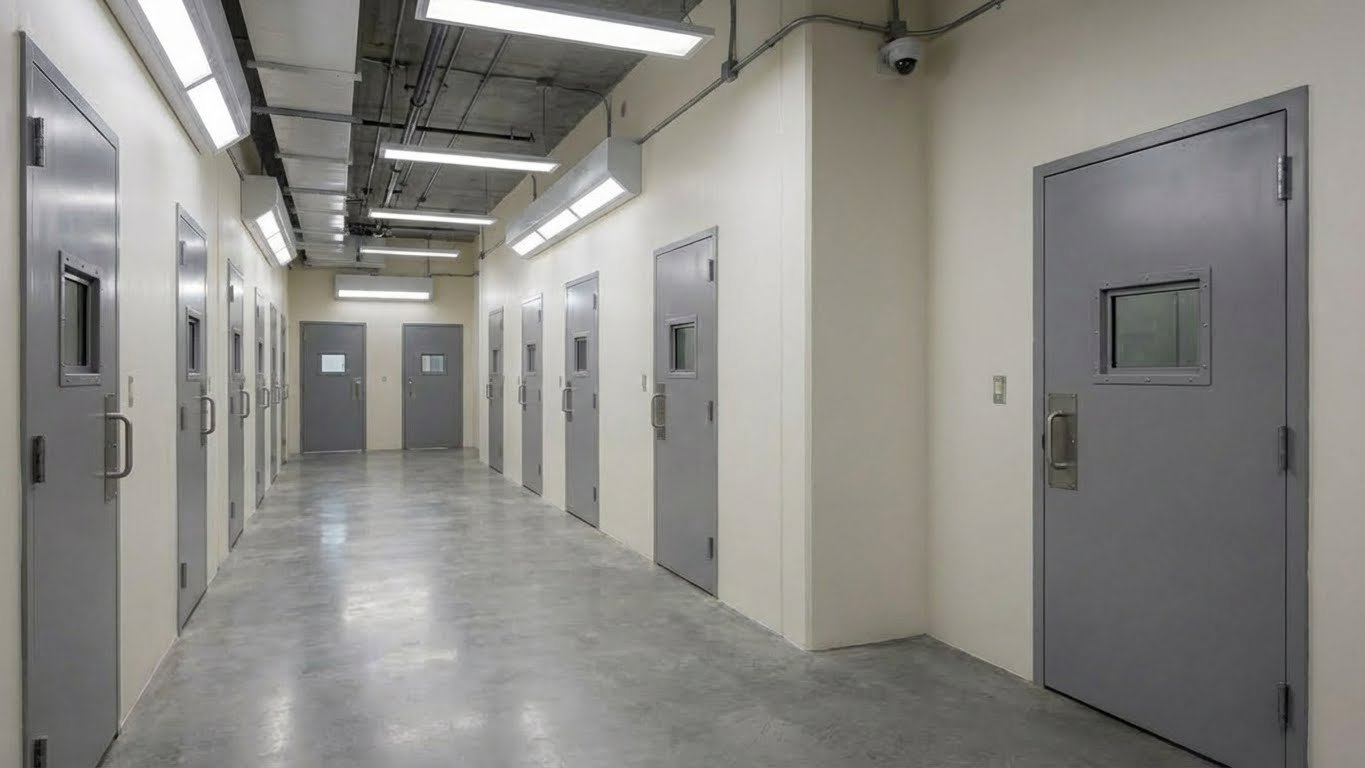
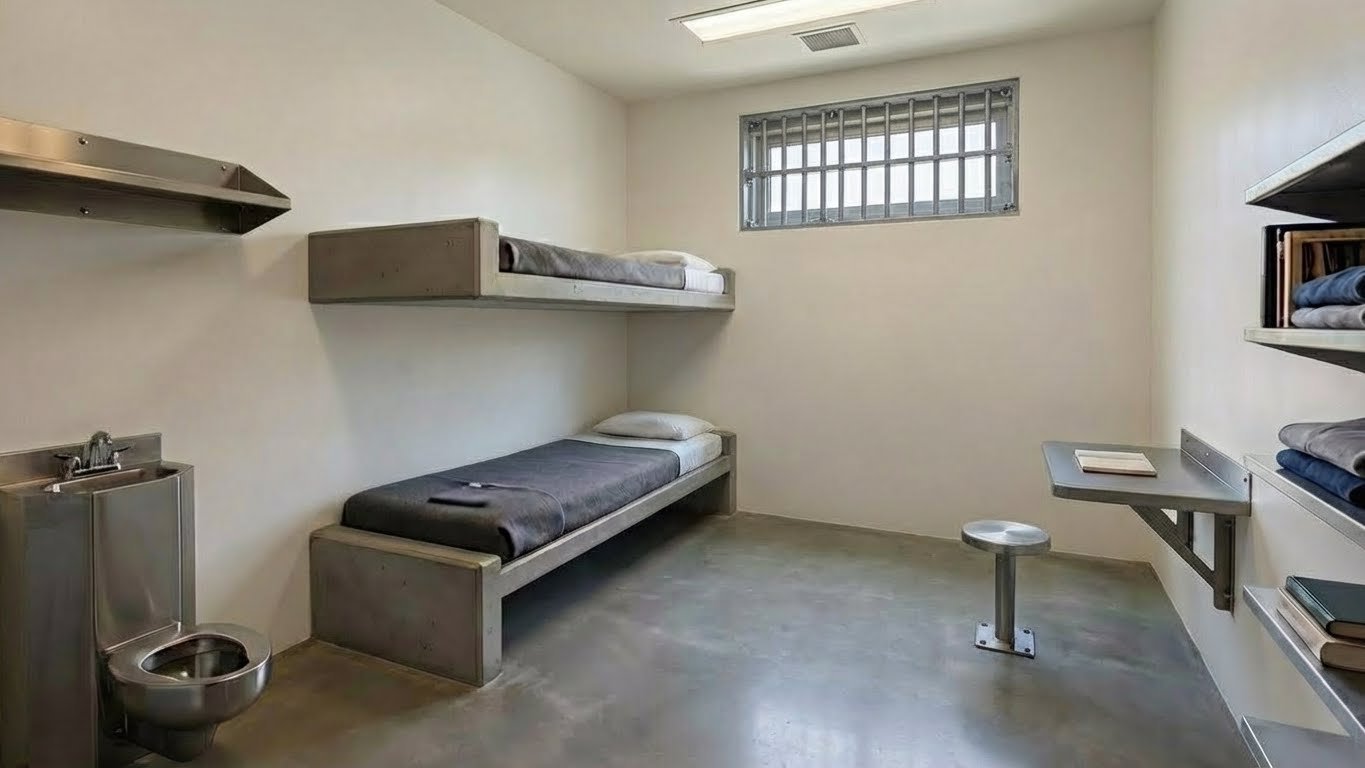
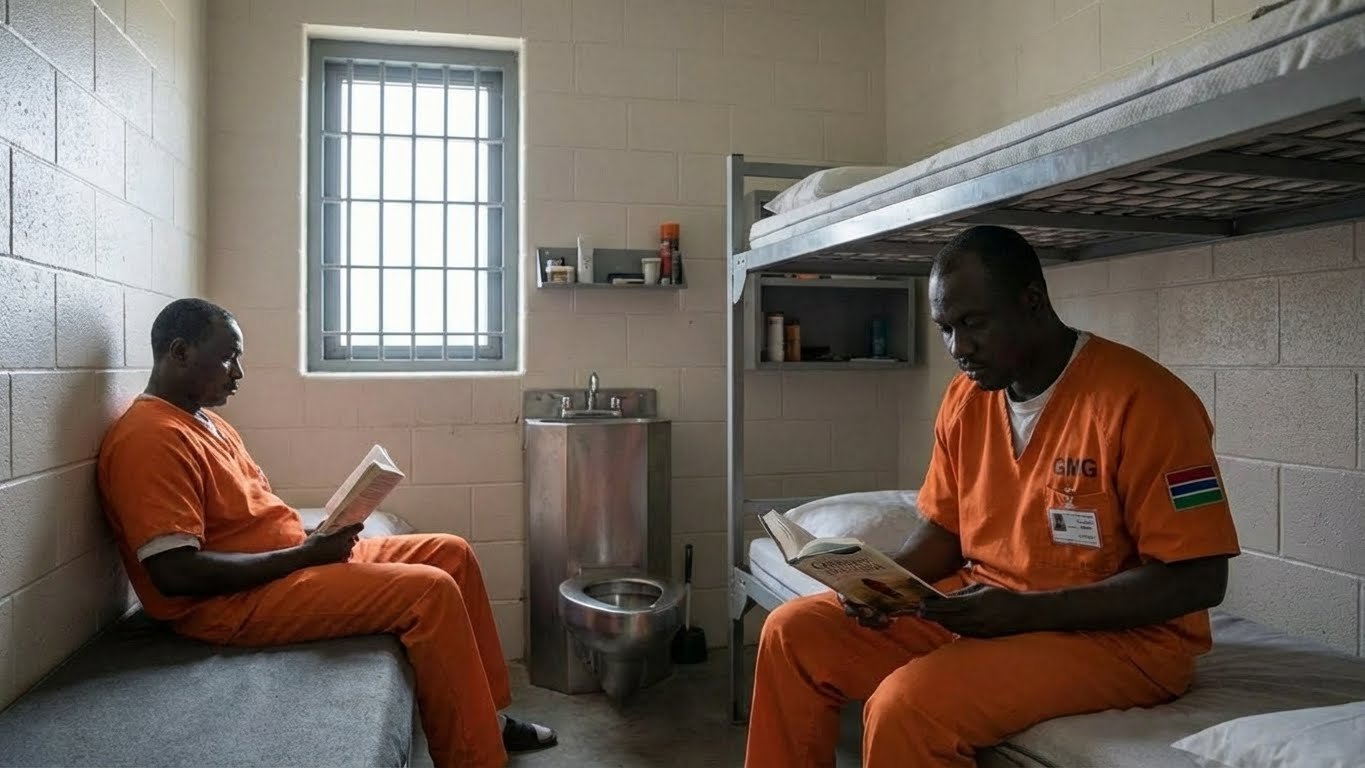
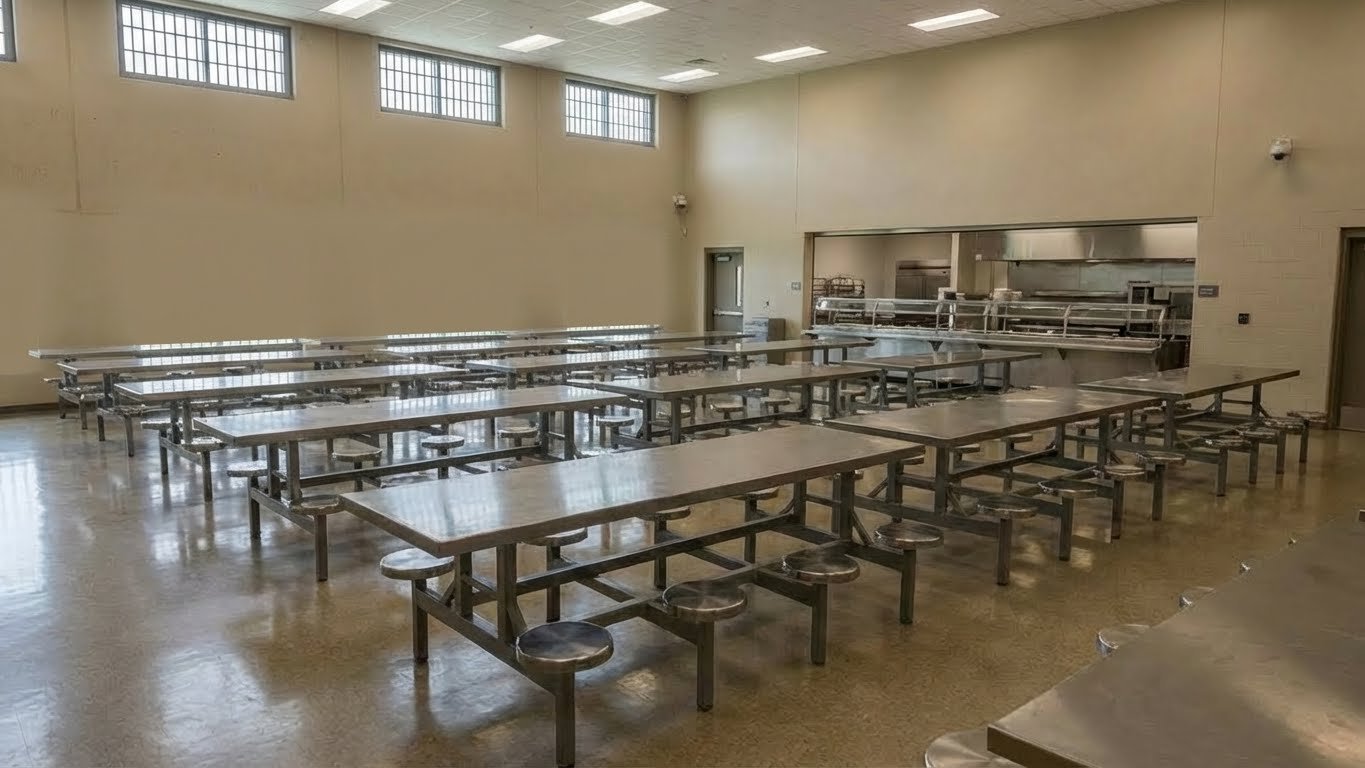
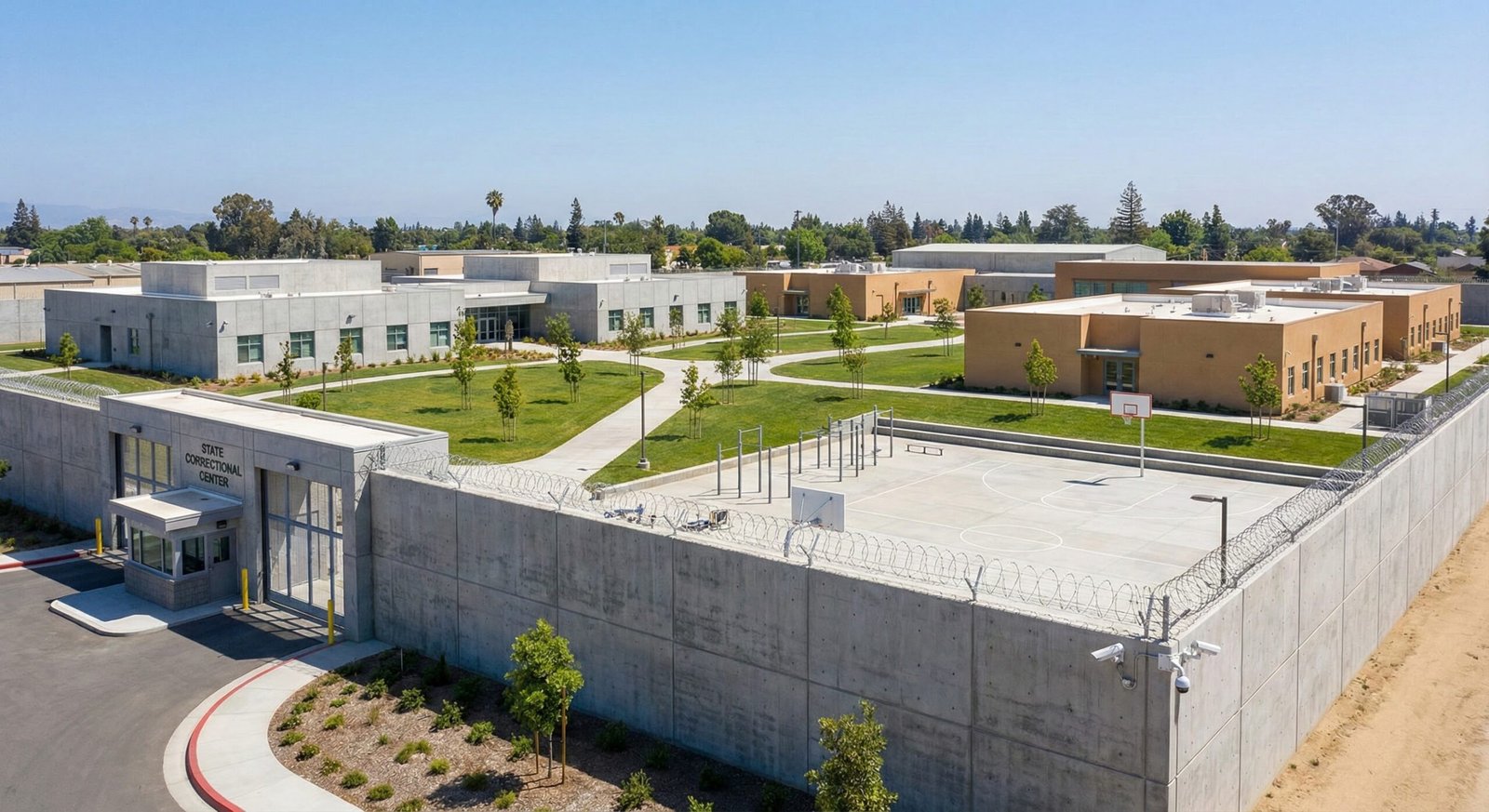
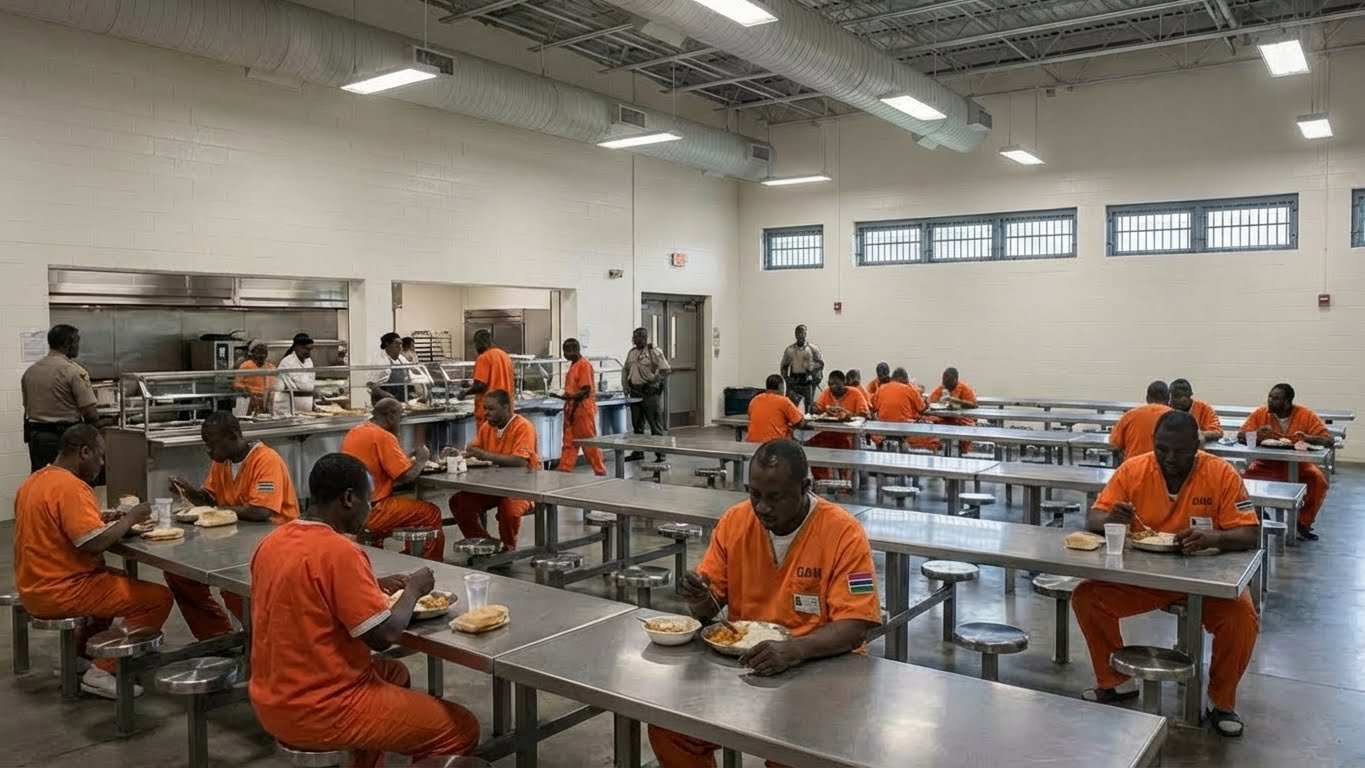
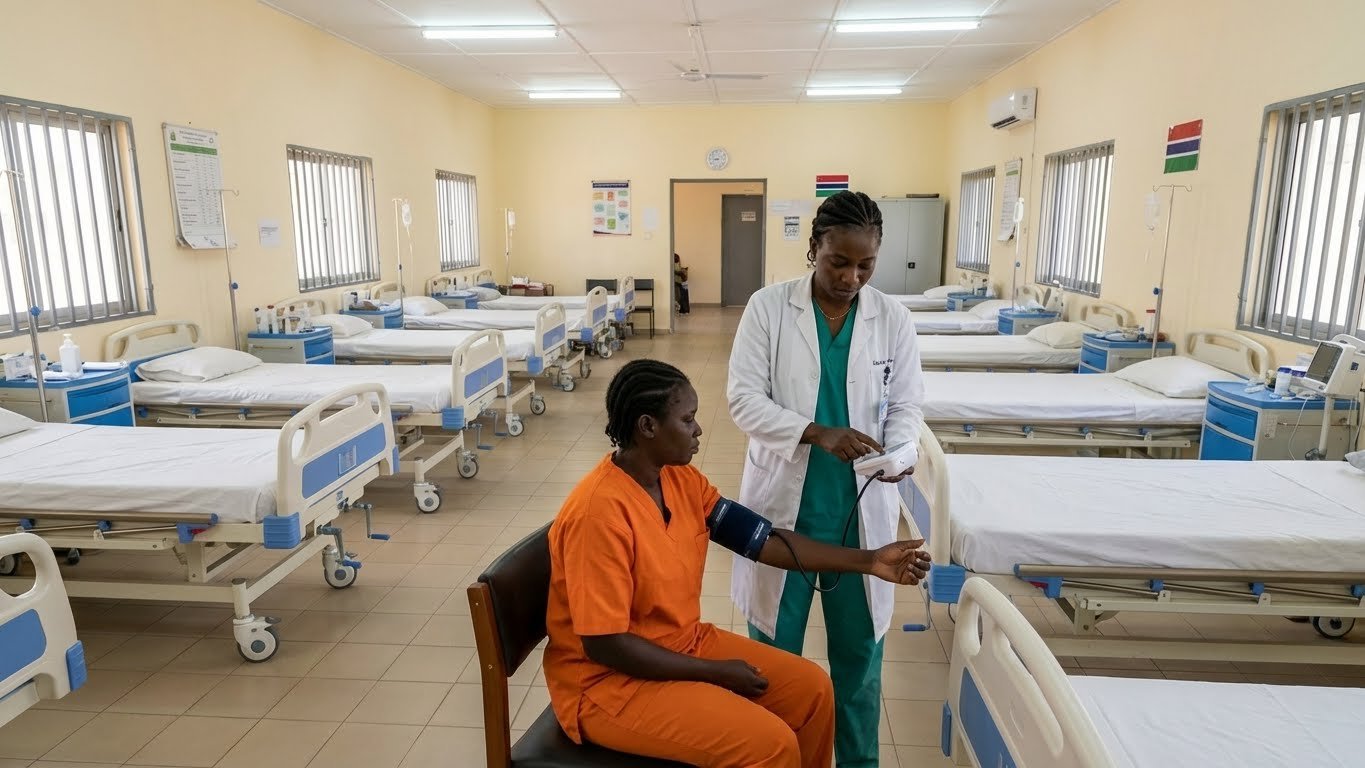
All structures failing international safety, hygiene, and space standards will be scheduled for demolition. New facilities will be constructed regionally to decentralize detention. Mile 2 Central Prison will be demolished and relocated from Banjul to a new Western Region Correctional Centre, relieving Gambians and their families of the daily reminder of the horrors associated with that site. Every new and rebuilt facility will have decent cells with adequate space, lighting, ventilation, and sanitation; integrated medical wings; counselling centres; worship rooms; secure but humane visitation areas; surveillance cameras; biometric access control; and a digital inmate management system replacing the paper records that have enabled loss and error.
The NBP will establish a National Rehabilitation Education and Assessment Programme so that every person entering the correctional system receives a personal rehabilitation plan, assigned within 30 days of admission, and supported throughout their sentence.
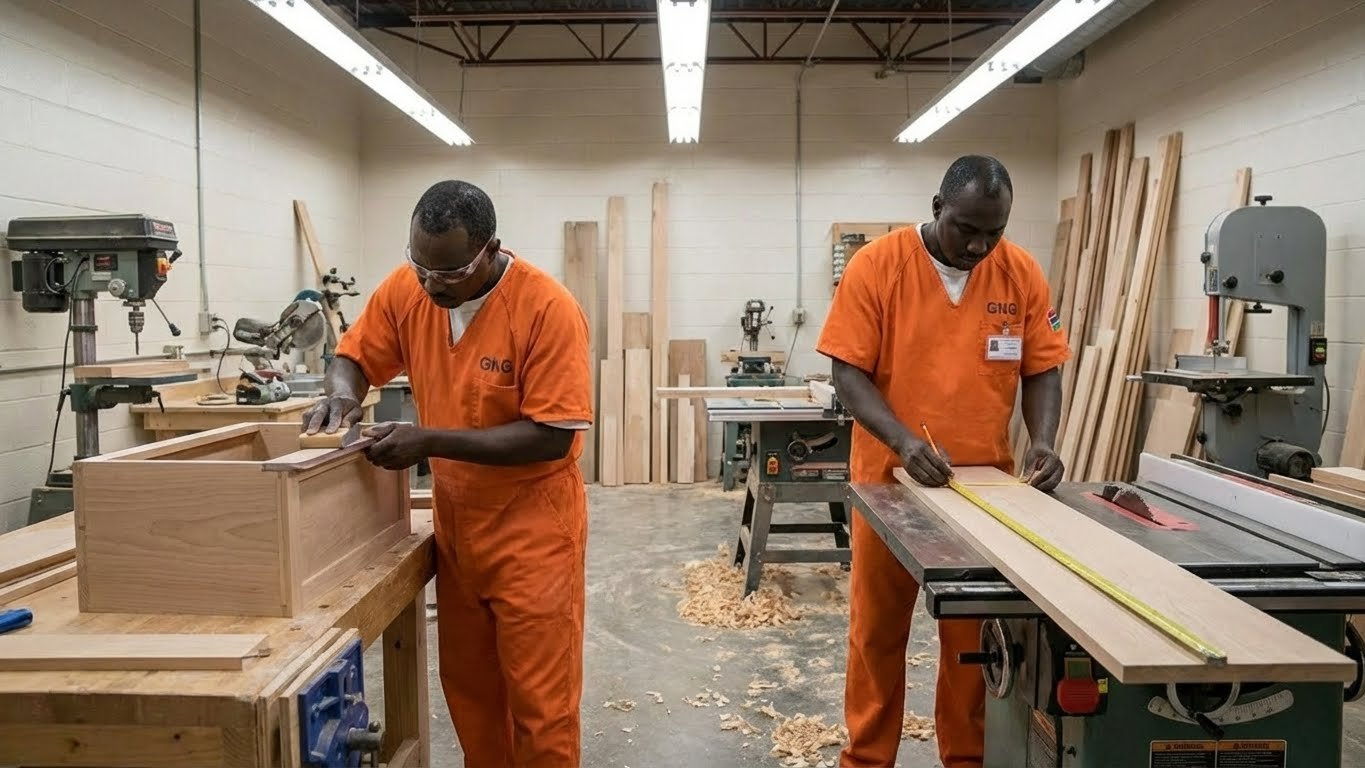
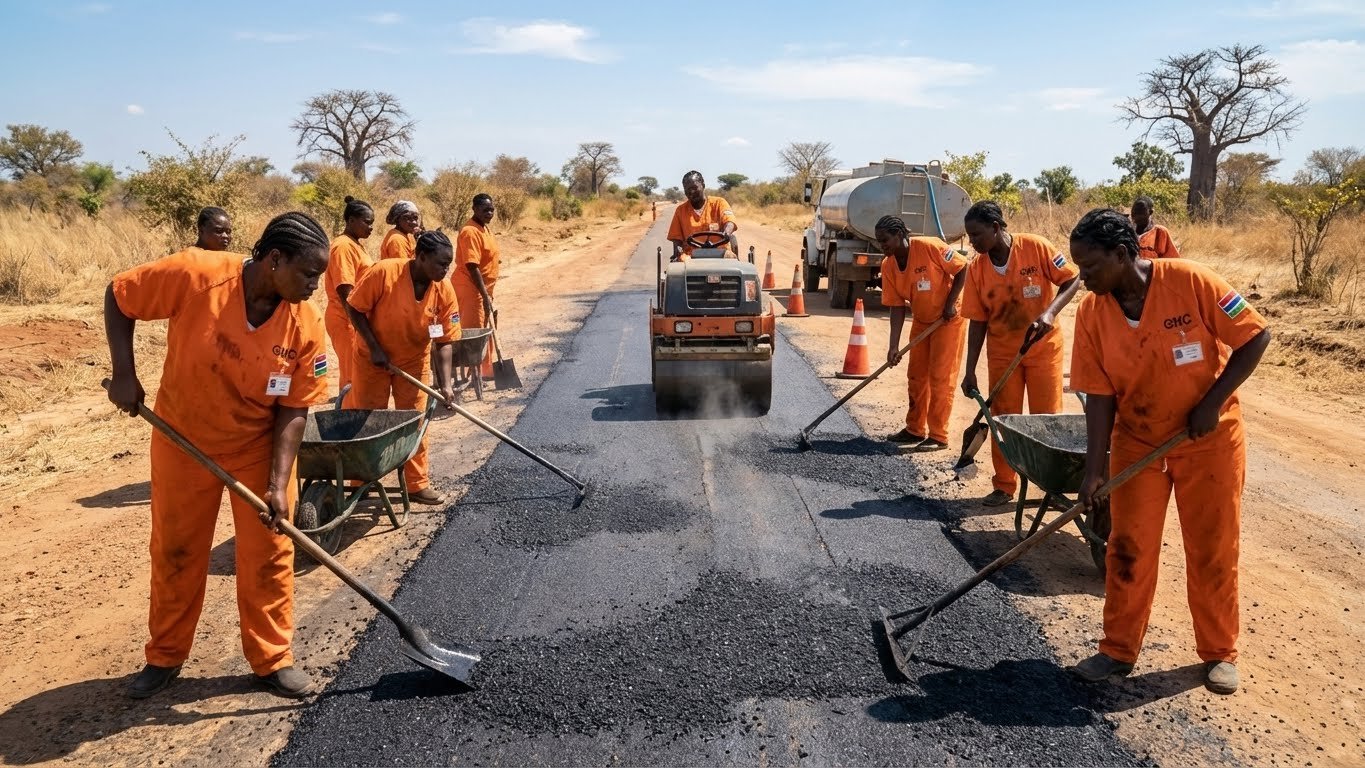
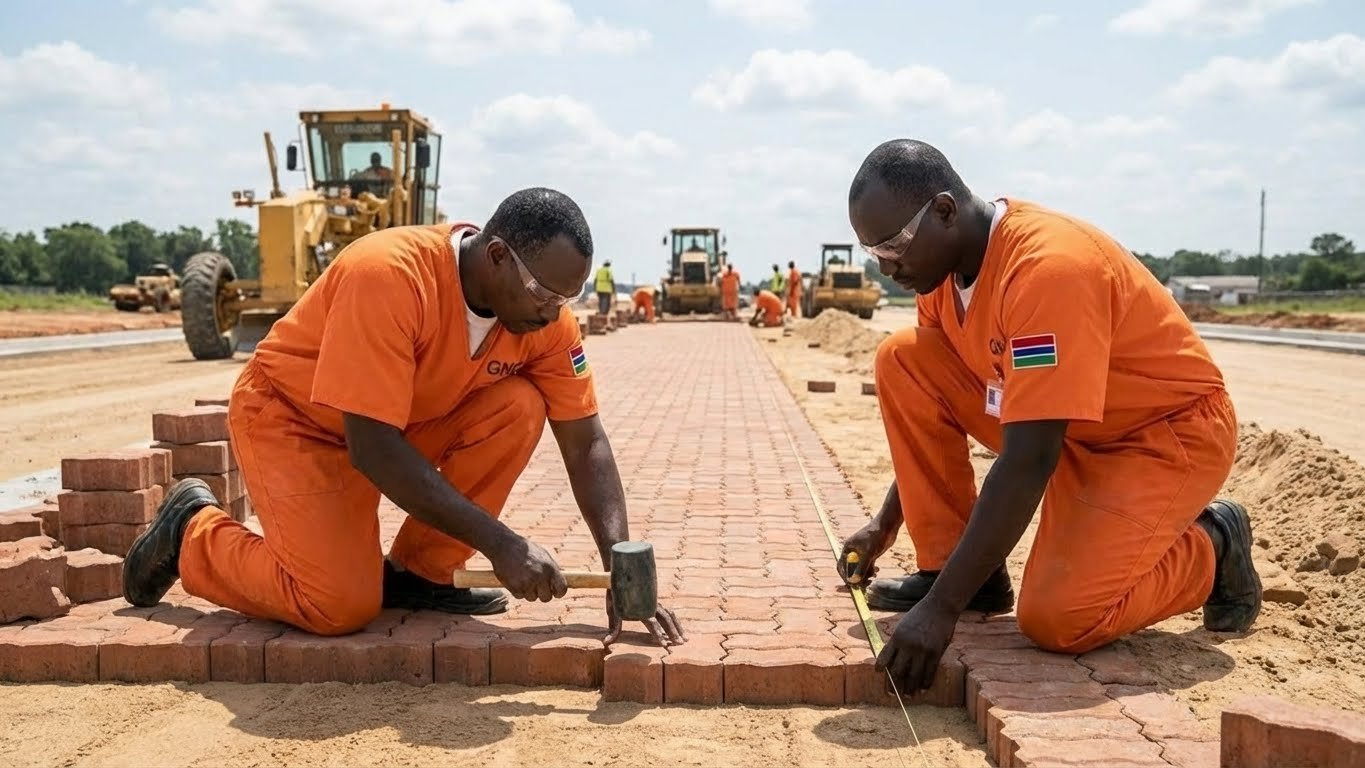
Every person entering the system will receive a comprehensive assessment covering educational level, vocational skills, mental health status, substance use history, and family and community connections. A personal Rehabilitation Plan will be developed with a caseworker and reviewed every six months. Vocational training workshops covering carpentry, tailoring, agriculture, mechanics, electronics, IT, and construction trades will operate in every facility. Literacy and numeracy programmes and Senior Secondary-equivalent certification will be available to all. A partnership with the University of The Gambia will provide distance learning access. Skills certificates will be recognised by the National Construction Training Academy and relevant professional bodies, ensuring genuine market value on release.
The NBP will place trained social workers, counsellors, and mental health professionals in every correctional facility, because rehabilitation without addressing the underlying factors that contributed to offending is rehabilitation in name only.
A substance use treatment programme, recognising that a significant proportion of offenders have substance use disorders that contributed to their offending, will be available in every facility. Mental health screening at admission and regular reviews during custody will identify persons requiring treatment within the facility or transfer to a specialist mental health facility. Spiritual support will be available from both imams and pastors on a scheduled and on-request basis. A Post-Release Reintegration Office in every regional correctional centre will begin planning with each person at least six months before their projected release date, covering housing, employment, family reunification, and continued counselling support.
The NBP will ensure that women and children in custody are held in entirely separate, purpose-designed facilities managed to the specific international standards that protect their rights and address their distinct rehabilitation needs.
Women's facilities will be entirely separate from male facilities, managed by female correctional officers, and designed to the Bangkok Rules. Pregnant women will receive prenatal care equivalent to that available to free women. Mothers with infants may remain with their child in a dedicated mother and infant unit up to the age of two. Juvenile facilities will operate primarily as educational and therapeutic environments. A Children's Commissioner with independent access to all juvenile facilities will monitor welfare and report publicly. Detention of juveniles will be a measure of absolute last resort, with all alternatives fully exhausted before a custodial order is made.
The NBP will end the injustice of legally innocent people spending years in custody awaiting trial by establishing maximum pre-trial detention periods, dedicated facilities, and a Case Management Unit to accelerate long-running cases.
Pre-trial detainees will be held in dedicated facilities entirely separate from convicted prisoners. A maximum pre-trial detention period, beyond which a person must either be brought to trial or released, will be enshrined in law. A Case Management Unit within the Gambia Correctional Service will work with the judiciary and the prosecution service to identify long-serving pre-trial detainees and accelerate the scheduling of their cases. Legal aid will be available to all pre-trial detainees who cannot afford representation, ensuring that the absence of a lawyer does not become the reason a person remains in pre-trial custody indefinitely.
The NBP will establish a National Corrections Academy, professionalise the correctional officer career with competitive salaries and a defined progression structure, and invest in the psychological welfare of staff who work in one of the most demanding environments in public service.
All new correctional officers will complete a minimum 16-week residential training programme covering human rights and the Nelson Mandela Rules, security and proportionate use of force, rehabilitation support skills, mental health first aid, communication and de-escalation, and administrative procedures. All serving officers will complete mandatory retraining in the new standards within the first year. Correctional officer salaries will be set at a competitive, publicly benchmarked scale. An employee welfare programme will provide psychological support to correctional staff, recognising the occupational mental health risks of custodial work.
The National Builders Party will ensure that rehabilitation does not end at the prison gate, and that the entire correctional system is held to independent account through an Inspectorate with genuine authority and a public reporting obligation.
A National Reintegration Employment Programme will engage Gambian businesses and the NTEA enterprise support programme to provide employment or enterprise startup support for persons who have completed their sentences and committed to their rehabilitation plans. A mentorship programme will connect released persons with community mentors who have successfully navigated their own reintegration. The Independent Correctional Inspectorate will conduct annual inspections of every facility, publish its findings without restriction, and hold the Gambia Correctional Service publicly accountable for compliance with the Nelson Mandela Rules and the Act's minimum standards.
For Families of Those in Custody
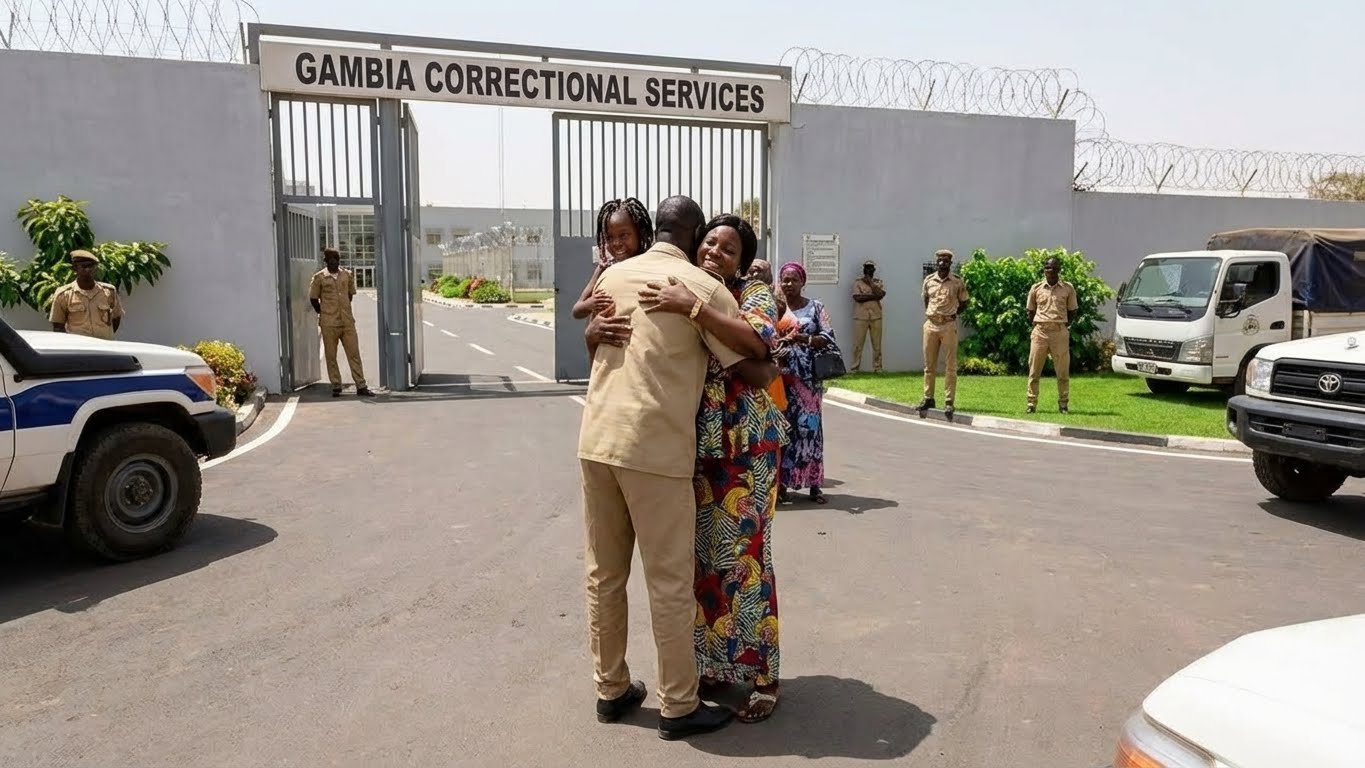
Secure but humane visitation areas, accessible to families and legal counsel, will replace current conditions. Your family member will receive a personal rehabilitation plan, vocational training, and counselling. A Prisoners' Complaints Mechanism means that if conditions fall short, there is a formal route to raise it. Post-Release Reintegration Offices will support their return to the community. The government will be accountable for what happens inside these facilities in a way it has never been before.
For Young Gambians
A correctional system that rehabilitates produces fewer repeat offenders and safer communities. Diversion programmes keep non-violent young offenders out of the formal prison system. Juvenile facilities prioritise education and therapy over punishment. Post-release mentorship gives people who made mistakes a real path forward. A system that gives people real skills and support on release is a system that makes your community safer when they return.
For Every Family
Prison reform is not soft on crime. It is serious about the outcome that matters most: that fewer crimes are committed, and that fewer families experience what it means to be a victim. A correctional system that produces rehabilitation produces lower reoffending. Lower reoffending produces safer streets, safer businesses, and safer families. The National Builders Party will build the system that produces that outcome.
The New National Standard in corrections is not comfortable prisons. It is purposeful ones. Cells that meet the Nelson Mandela Rules. Rehabilitation that begins on the first day of custody and ends with a person walking out with skills, a plan, and support. Correctional officers who are trained, paid fairly, and held to the same standards of conduct they are asked to enforce. Pre-trial detainees who are held for days or weeks, not years. Women held in facilities designed for women. Children held in facilities designed for children. An Independent Inspectorate that walks into any facility at any time and publishes what it finds. The Gambia Correctional Service that the National Builders Party will build will not be judged by how harsh it is. It will be judged by how few of the people who pass through it return. That is the measure of a correctional system that actually works.
We will not simply renovate our prisons. We will redefine what it means to administer justice in a modern Gambian democracy. These new correctional facilities will symbolize a clean break from the past and a new chapter in national dignity, care, fairness, and protection for all. Under the National Builders Party, justice will be served with humanity.