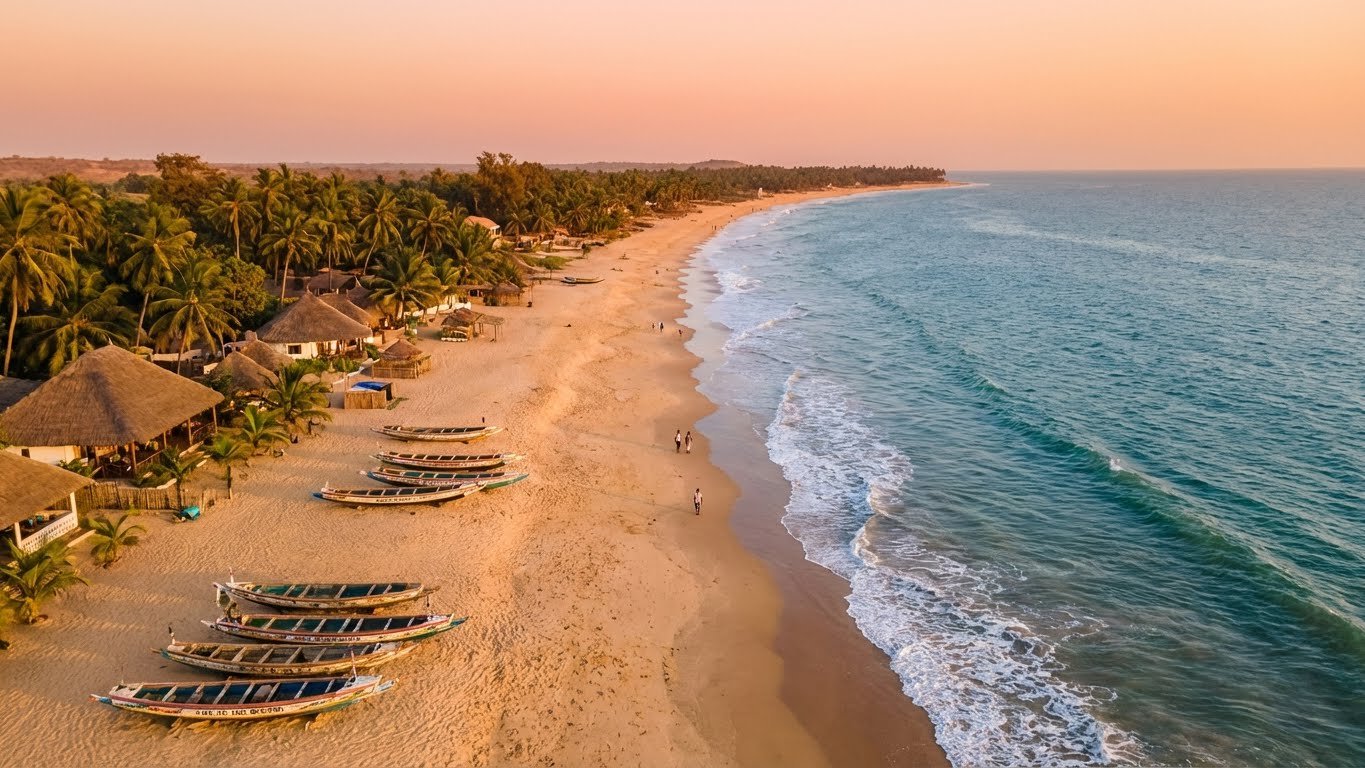
The environment is not a separate agenda item alongside development. It is the foundation on which every other development ambition sits. The forests that regulate the climate. The wetlands that filter water and moderate floods. The coastline that protects communities and anchors tourism. The wildlife that draws visitors and defines the ecological character of the country. When these are degraded, every other investment is undermined. The Gambia's natural environment is under pressure from multiple directions simultaneously. Deforestation driven by charcoal production, agricultural land clearing, and illegal logging has reduced forest cover significantly over recent decades. Wildlife populations have declined as habitat has been lost and hunting has gone uncontrolled. The River Gambia and its tributaries face pollution from agricultural runoff and inadequate waste management. The institutional response has been inadequate. The National Environment Agency and the Department of Parks and Wildlife have operated with insufficient budgets, insufficient staff, insufficient enforcement capacity, and insufficient political prioritisation. Environmental legislation exists but is not enforced consistently. The National Builders Party will change that.
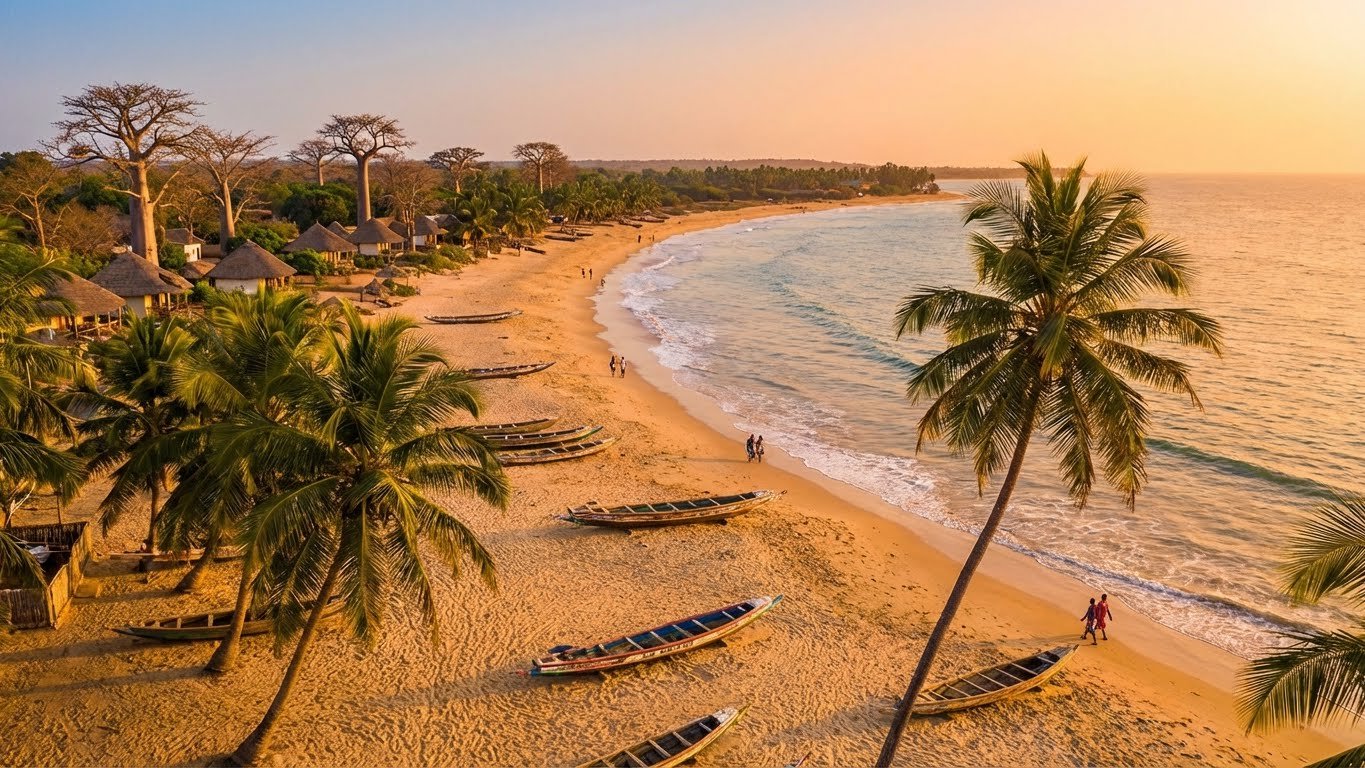
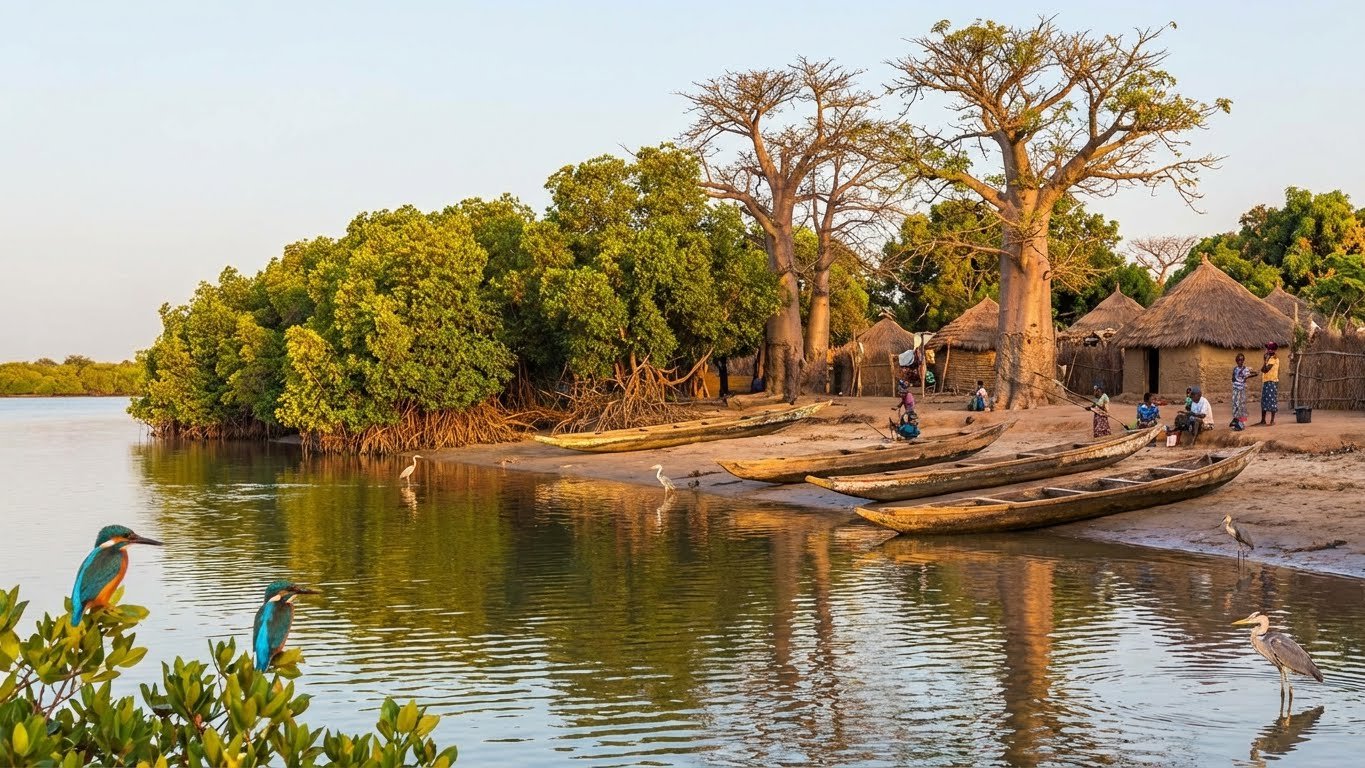
Imagine a Gambia where forests thrive, wildlife roams freely in protected habitats, and communities live in harmony with nature. Where the baobab and the mahogany are planted as deliberately as roads are built. Where Abuko and Kiang West are managed, staffed, and enforced protected areas that wildlife genuinely inhabits in growing numbers. Where a birding tourist from Europe arrives knowing that the 578 species on their list are here because a government made protecting them a policy priority. Where every community adjacent to a protected area earns from conservation rather than against it. Where the River Gambia runs clean to the sea. Nature is not a backdrop to development. It is a condition for it. The National Builders Party will govern it with the same seriousness it brings to roads, hospitals, and schools.
The NBP will reform and properly resource the National Environment Agency and the Department of Parks and Wildlife, giving them the budget, staff, enforcement powers, and institutional authority to actually protect what they are mandated to protect.
Both institutions will receive substantially increased budget allocations with protected funding that cannot be raided for general expenditure. A National Environment Plan, published in Year 1 and reviewed every five years, will set measurable targets for forest cover, wildlife populations, water quality, and protected area management. A national digital map of all protected lands, forest reserves, wildlife zones, and coastal protection areas will be created and made accessible to researchers, developers, government agencies, and the public, ending the ambiguity that currently allows encroachment to occur in legally protected areas without clear consequence. A Green Fund, financed from international climate finance mechanisms including REDD+ and the Green Climate Fund, will provide dedicated resourcing for forest conservation, anti-poaching operations, and ecosystem restoration.

The NBP will designate significant tracts of land across the country as legally protected forest reserves and launch a nationwide reforestation campaign that plants native and climate-resilient trees at a scale that genuinely reverses forest loss.
A national land audit in collaboration with local governments and environmental agencies will identify and demarcate zones best suited for conservation. These areas will be legally protected through new environmental legislation and integrated into national and regional land-use plans. Forest management teams at regional level will monitor encroachment, enforce protection laws, and engage nearby communities in conservation education. The reforestation campaign will prioritise native and climate-resilient species including mahogany, baobab, neem, and acacia, with the reintroduction and protection of indigenous plant species that have cultural, medicinal, and ecological significance. Pine tree farming on designated plots will provide sustainable domestic timber, reducing the logging pressure on natural forest. Tree planting will be integrated into national celebrations, school projects, and youth employment schemes, making environmental restoration a community-driven national movement.
The NBP will introduce a comprehensive Wildlife Protection Act establishing a national list of fully protected species, substantial penalties for wildlife crime, and wildlife corridors connecting protected areas across The Gambia.
The Act will adopt a risk-based protection classification aligned with the IUCN Red List and CITES. Fully protected species will include all primate species, all felid species, hippos, manatees, all raptor species, and all species listed on CITES Appendix I and II found in Gambian territory. Hunting, trapping, capture, trade, or possession of any fully protected species will be a serious criminal offence carrying substantial custodial sentences. Wildlife corridors connecting protected areas will be designated and protected, enabling species movement between habitat patches and reducing human-wildlife conflict. A Wildlife Crime Unit within the Department of Parks and Wildlife will specialise in investigating and prosecuting wildlife offences, working with the GPF and international partners including TRAFFIC and INTERPOL's Wildlife Crime unit to address both local poaching and the international trafficking networks that drive demand.
The NBP will fully resource The Gambia's existing protected area network, transforming Abuko, Kiang West, Bao Bolong, Niumi, and Tanji from designations on paper into managed, staffed, and genuinely enforced national assets.
Each protected area will receive a dedicated management plan, a fully staffed ranger force with appropriate equipment and training, defined visitor infrastructure for eco-tourism, and a clear funding stream from the Green Fund and visitor fee revenues. Community Environmental Stewardship Groups will be established in all communities adjacent to protected areas, formally involving local people in conservation monitoring, anti-poaching reporting, and habitat management. A Payments for Ecosystem Services framework will provide financial incentives to communities that protect forest and wildlife within and adjacent to protected areas, making conservation economically competitive with the destructive alternatives it must replace. Wildlife rescue centres and sanctuaries, developed in partnership with NGOs and international conservation organisations, will support injured and confiscated animals.
The NBP will develop The Gambia's extraordinary natural assets into a world-class eco-tourism product, building on the country's reputation as one of Africa's premier birdwatching destinations to generate conservation-compatible economic value from nature.
The Gambia's 578 recorded bird species, diverse primate populations, river wildlife, and accessible protected areas give it a genuine and internationally recognised competitive advantage in nature tourism. A national birdwatching tourism strategy, developed with the tourism sector and international birding organisations, will position The Gambia as the premier birdwatching destination in West Africa. A Gambia Birdwatching Festival, launched as an annual international event, will attract visiting birders and generate the conservation finance and community income that make wildlife worth protecting. Local tour guide training programmes will equip communities adjacent to protected areas to deliver high-quality, responsible wildlife viewing, forest hiking, and river tourism experiences. Eco-tourism revenues will be shared with the communities and conservation programmes that make the experience possible.
The NBP will protect the River Gambia and its tributaries from the pollution, riparian vegetation loss, and unsustainable extraction that threaten the water security and ecological health of the country's most important natural system.
A comprehensive riparian vegetation protection programme will establish and enforce buffer zones along all classified watercourses, preventing the bank erosion, sedimentation, and habitat loss that degraded riparian zones cause. Agricultural runoff management guidelines will be developed and enforced through the PSCEA Environmental Health Division, reducing the fertiliser and pesticide contamination that enters watercourses from farming areas. Illegal sand mining from river banks and river beds will be subject to the same enforcement framework as coastal sand mining. A coastal erosion monitoring network will be established to track shoreline change and provide the data needed for coastal management decisions. Water quality monitoring at defined points along the River Gambia and its tributaries will be conducted quarterly and results published in the National Environment Agency's annual report.
The NBP will embed environmental consciousness into the national school curriculum, creating a generation of Gambians who understand, value, and protect the natural environment as an expression of national identity and economic self-interest.
Environmental education will be introduced across all school levels, including nature field trips to protected areas, conservation projects, and school-based tree nurseries that give students direct experience of growing and planting trees. The national curriculum will cover marine ecology, forest ecology, wildlife conservation, climate change and its local impacts, and the economic value of natural assets. University partnerships with international environmental research institutions will promote marine science, aquaculture innovation, biodiversity research, and conservation training at higher education level. Community environmental awareness campaigns delivered in all major Gambian languages through radio, community meetings, and local leadership networks will extend environmental education beyond the school system into the daily life of communities across the country.
The National Builders Party will position The Gambia as a responsible and active participant in the global response to climate change, meeting its Paris Agreement commitments, accessing international climate finance, and building the climate resilience that a small, vulnerable nation requires.
An enhanced Nationally Determined Contribution under the Paris Agreement will be submitted in Year 4, reflecting the concrete mitigation and adaptation actions described across this manifesto including renewable energy expansion, reforestation, agricultural climate adaptation, and coastal protection. REDD+ participation will generate international payments for forest conservation that fund both the Green Fund and direct community benefit sharing. Bilateral climate partnerships with the European Union, Germany, the United Kingdom, and the United States will provide technical assistance, adaptation financing, and capacity building for Gambian environmental institutions. The Gambia's contribution to global emissions is negligible. Its vulnerability to the consequences of global climate change is substantial. The NBP will make that case forcefully in every international forum while building the domestic resilience that The Gambia needs regardless of what the world does.
For Farming and Fishing Communities
Protected riparian zones mean cleaner water reaching your fields and fishing grounds. Reforestation and climate-smart agriculture reduce the rainfall variability that has made farming increasingly uncertain. Community Environmental Stewardship Groups mean your community earns from conservation rather than being displaced by it. Payments for Ecosystem Services mean that protecting the forest adjacent to your village has a direct financial return. Environmental stewardship and economic livelihood are not opposites. The NBP will build the framework that proves it.
For Young Gambians
Environmental education in every school. Nature field trips to protected areas. School-based tree nurseries. A university marine science degree. Tour guide training in eco-tourism. Jobs in park management, environmental monitoring, conservation research, and nature tourism. The green economy the NBP is building will need a generation of Gambians trained to manage it. Your generation will be the first to grow up in a Gambia that takes its environment as seriously as it takes its roads and hospitals.
For Every Family
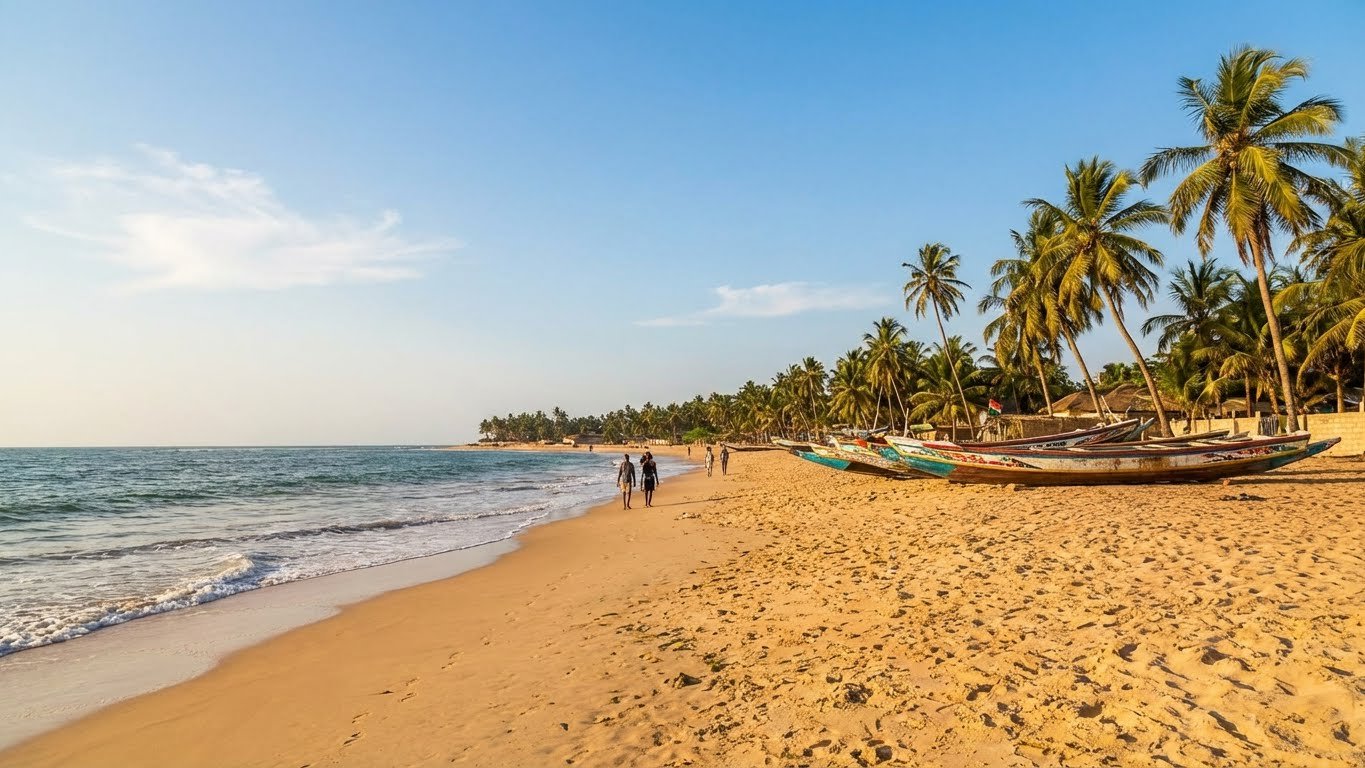
Cleaner rivers mean safer drinking water and healthier fishing stocks. More trees mean lower temperatures, better rainfall distribution, and reduced flooding. Protected wildlife means eco-tourism revenue that reaches coastal and forest communities. A coastline that is managed rather than mined means the beaches that tourism depends on are still there for your children. The National Builders Party will leave The Gambia with more than it inherited. More forest cover. More wildlife. A cleaner river. A more resilient coastline. That is the intergenerational commitment this policy represents.
The New National Standard in environmental governance is a Gambia that passes on more than it inherited. More forest cover than was standing when the NBP took office. More wildlife in its protected areas. Beaches that are wider, not narrower. Rivers that are cleaner. A coastline that communities still live beside in safety. A national parks system that is managed, not just designated. This is not sentiment. It is policy backed by institutions, laws, enforcement, finance, and the community engagement that makes conservation self-sustaining. The National Builders Party will govern the environment with the same seriousness it brings to roads, hospitals, and schools. Nature is not a backdrop to development. It is a condition for it. We will treat it that way.
Under the National Builders Party, The Gambia will no longer watch its forests shrink or its wildlife disappear. With bold leadership and the right policies, The Gambia will become a green nation, a biodiversity stronghold, and a regional example of sustainable development done right.