
The manifesto uses one phrase to describe the current state of The Gambia's road infrastructure: almost medieval. It is not an exaggeration. The Trans-Gambia Highway and a small number of paved arterial roads carry the bulk of inter-regional traffic. Beyond these corridors, the majority of roads are unpaved, poorly maintained, and seasonal. Every rainy season, communities across the interior are cut off from markets, hospitals, and government services by flooded and collapsed road surfaces. Agricultural produce spoils because farmers cannot get it to market. Patients cannot be moved because ambulances cannot reach them. Children cannot get to school because the road between their home and their classroom becomes impassable. Bridges that should have been built decades ago have never been built, and seasonal crossings that cut communities off every year continue to cut them off. The economic cost of this isolation, multiplied across hundreds of communities and repeated every single year, is enormous. The National Builders Party will end it.
A national road network where every district capital is connected to Banjul by a paved, well-maintained road that can be used in all seasons. Where every community has a passable feeder road to the nearest classified route. Where urban roads in major towns are properly drained, well lit, and safe for both vehicles and pedestrians. Where bridges have replaced the seasonal crossings that cut communities off every rainy season. Where the road network is maintained by a funded, professionally managed system that prevents the deterioration cycle that has cost this country so much. A Gambia where no community is isolated by roads that should have been built years ago. The National Builders Party will build those roads and those bridges. And it will keep them.
The NBP will establish the National Roads Authority as a dedicated, autonomous agency responsible for planning, developing, and maintaining the classified national road network, free from the short-term political pressures that have historically distorted road investment priorities.
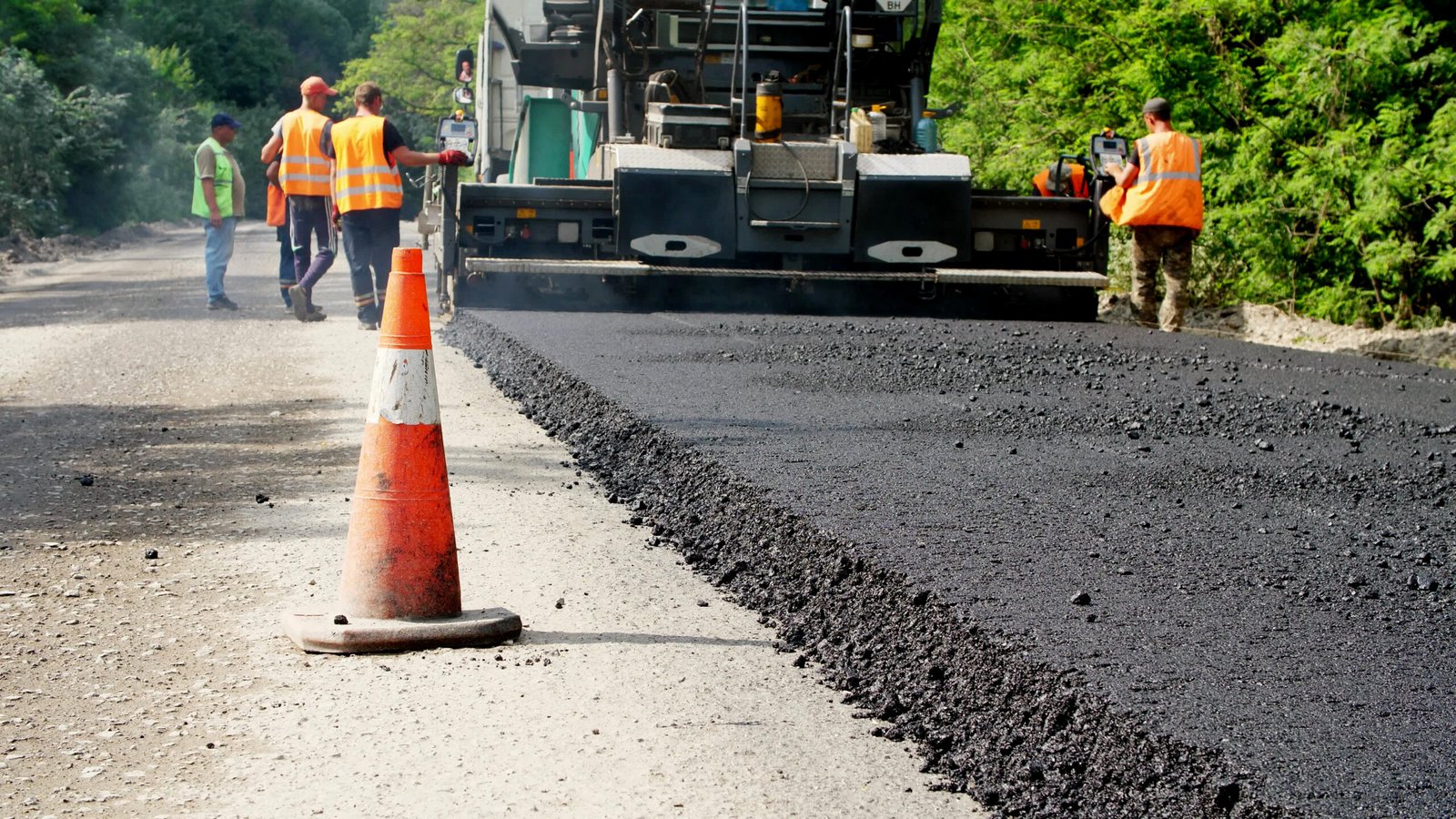
The NRA will commission a National Road Network Masterplan in its first year, classifying all roads by function, assessing current conditions, identifying critical missing links, and producing a costed investment programme ranked by economic return and connectivity impact. All national roads carrying inter-regional traffic will be paved to a defined engineering standard and maintained on a scheduled programme. All feeder roads connecting villages to the classified network will be graded, drained, and where justified, paved. All urban roads in major towns will be included in a funded maintenance programme. The NRA will publish an annual Road Network Performance Report with full public accountability for investment delivery and network condition.

The NBP will enforce defined engineering standards on all road construction and rehabilitation contracts, ending the cycle of roads that fail well before their designed service life because no one was held accountable for the quality of what was built.
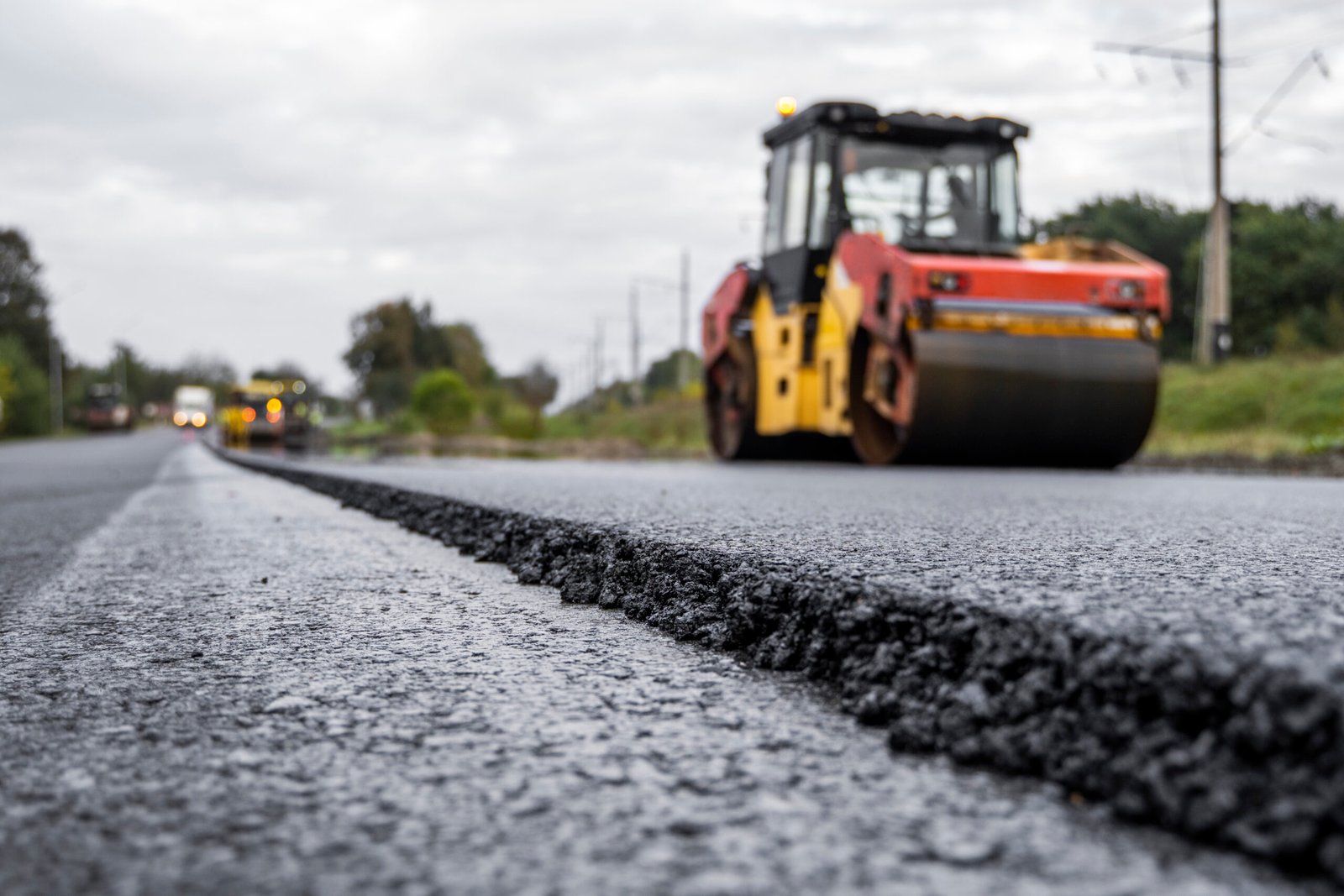
All new roads will be designed by qualified civil engineers with documented geotechnical investigation, structural pavement design, and hydraulic drainage design as non-negotiable requirements. Construction supervision will be conducted by independent consulting engineers retained by the government, not by the contractor, ensuring quality is verified by a party with no financial interest in cutting corners. All road contracts will include a minimum five-year defect liability period during which the contractor repairs any failures attributable to poor workmanship at their own cost. Road drainage will be a core design component of every project, not an optional extra. All contracts above a defined value will be subject to post-construction independent quality testing of materials, compaction, and pavement thickness to verify that specified standards were actually achieved.
The NBP will prioritise the upgrading and full rehabilitation of the Trans-Gambia Highway and the major arterial roads connecting Banjul to every regional capital as the backbone of the national road network.
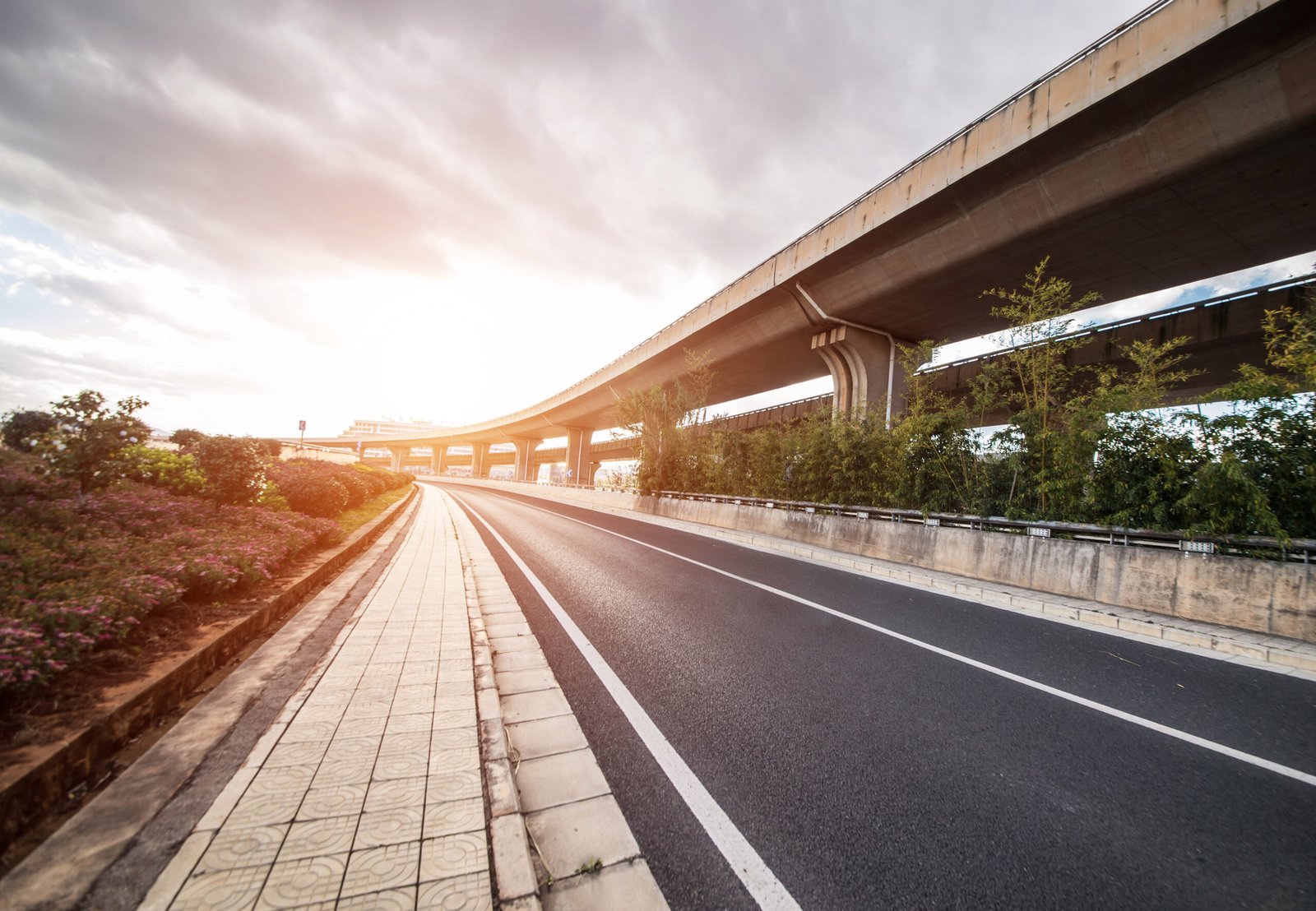
The Trans-Gambia Highway, the single most important road in the country, will be comprehensively rehabilitated to a standard that handles the volume of traffic it carries and withstands the rainy season conditions that currently degrade it. High-impact corridors including roads connecting Banjul, Brikama, Soma, Farafenni, Bansang, Basse, and Janjanbureh will be brought to a fully paved, properly drained, and consistently maintained standard. Roads leading to agricultural centres, schools, health facilities, and border towns will be developed as part of the priority programme, recognising that connectivity to essential services is not a secondary ambition but a first-term commitment. Urban road networks in all major towns will include proper drainage systems, street lighting, pedestrian walkways, and signage.
The NBP will pursue an aggressive national bridge programme targeting the crossings that have the greatest impact on community connectivity, ending the seasonal isolation that has defined life in too many Gambian communities for too long.
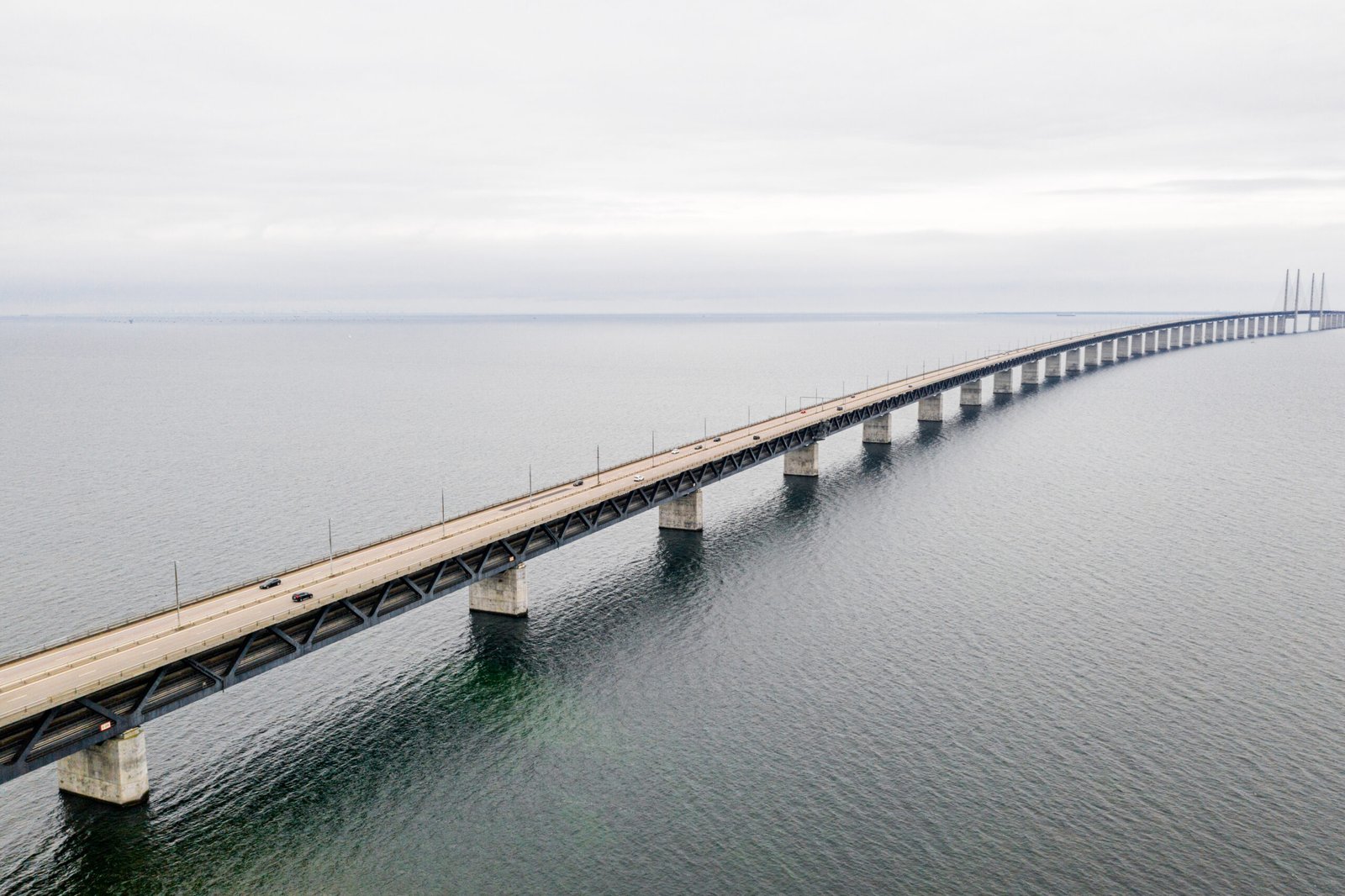
A National Bridge Inventory will be conducted in the first year of government, assessing every bridge and culvert on the classified road network for structural condition, load capacity, and functional adequacy. Bridges rated as structurally deficient or functionally inadequate will be prioritised for rehabilitation or replacement, with immediate closure of any structure presenting an imminent risk to life. New bridge construction will target the remaining seasonal crossing points where communities are cut off during the rainy season, prioritised by the number of people affected and the severity of the connectivity impact. All new bridges will be designed for a long service life, with structural capacity rated for the heaviest vehicles expected to use them, eliminating the problem of bridges that cannot carry loaded agricultural or construction vehicles. Durable construction using steel-reinforced concrete, with modular designs for rapid deployment in remote or vulnerable areas, will be the standard.
The NBP will establish a Military Engineering Division under the Gambia Armed Forces, trained and equipped for large-scale road and bridge construction, maximising the reach of the infrastructure programme beyond what commercial contractors alone can achieve.
The MED will be a specialised permanent unit trained in road and bridge construction, civil engineering, heavy equipment operation, and emergency infrastructure response. Technical partnerships with international military and civilian engineering institutions will assist in training, equipment procurement, and knowledge transfer. The MED will be deployed on rural road and bridge projects in areas where commercial contractor mobilisation is difficult or uneconomical, particularly in remote communities that would otherwise wait longest for the infrastructure programme to reach them. In emergency situations, including flood damage to roads and bridges, the MED will provide rapid infrastructure repair capability that does not depend on the commercial procurement timelines that slow civilian response. A Keep the Roads Alive initiative will engage youth in road maintenance, environmental care, and traffic safety education alongside the MED's operational work.
The NBP will break The Gambia's deterioration cycle by establishing a properly financed, permanently managed national road maintenance system, because building roads is only half the investment and maintaining them is the other half.
A National Road Maintenance Fund, drawing from fuel levies, vehicle licensing fees, and development grants, will provide a ring-fenced, annually renewed budget for the maintenance of the classified road network. Term maintenance contracts, under which contractors are paid to maintain defined road sections to a specified condition standard over multi-year periods, will replace the current practice of reactive repair after failure. The NRA will conduct regular network condition surveys to identify deterioration early, before small defects become full road failures requiring expensive reconstruction. Local councils and MED teams will be trained in preventive maintenance and basic repair protocols so that community-level road upkeep is systematic rather than dependent on external intervention. Future feasibility studies will also be initiated for expressways, toll roads, and smart traffic systems in the most densely populated areas.
The NBP will bring urban roads in every major town and city to a standard that drains properly, is lit at night, has pedestrian footpaths, and is marked and signed for the safety of every road user regardless of whether they travel by vehicle or on foot.
Urban road design will include drainage as a core engineering requirement, ending the flooding that makes major streets impassable in heavy rain. Street lighting will be installed on all urban roads and on inter-regional roads passing through population centres. Pedestrian footpaths will be incorporated into all urban roads and all roads passing through settlements, separating pedestrians from vehicle traffic. Speed management infrastructure including speed humps, raised crossings, and speed tables will be standard at school zones, market areas, and hospital approaches. Road markings, reflective delineators, speed limit signs, and pedestrian crossing markings will be standard components of all construction contracts. A National Road Safety Audit will require all major new road designs to be reviewed by a certified road safety auditor before construction begins.
The National Builders Party will ensure that the roads and bridges programme creates thousands of jobs for Gambians, uses locally sourced construction materials wherever available, and applies sustainable, climate-resilient design practices that protect infrastructure investment for the long term.
The roads and bridges programme will be one of the largest employers in the country during the construction phase, creating direct jobs in engineering, construction, equipment operation, logistics, quality inspection, and site management, and indirect jobs across the supply chains that feed every large construction programme. Locally produced cement, aggregate, and sand will be used wherever specifications permit, supporting the domestic construction materials industry and keeping spending within the Gambian economy. Sustainable construction methods and climate-resilient road design adapted to Gambian rainfall patterns will protect infrastructure investment from the weather events that have historically degraded roads ahead of their designed service life. The roads programme will attract local and foreign investors by improving transport corridors, and will strengthen tourism by making cultural and natural sites more accessible across the country.
For Rural and Interior Communities
The rainy season will no longer cut your community off from the market, the school, or the hospital. A passable feeder road to the classified network, maintained on a funded programme, means your children get to school, your produce gets to market, and an ambulance can reach you when it needs to. A bridge where there was once a flooded crossing means that seasonal isolation is not the defining condition of your community's life. The NBP is building the roads and bridges that should have been built years ago. Your community is in the programme.
For Young Gambians
The roads and bridges programme will be one of the largest employers in the country. Engineering, construction, equipment operation, quality inspection, and site management roles will be filled by Gambians trained for the purpose. The Military Engineering Division creates a professional pathway for young Gambians with the aptitude and ambition to build their country's infrastructure as a career. And when the roads are built, the opportunities they open, in agriculture, tourism, logistics, and commerce, grow the economy that employs you.
For Every Family
A paved road that drains properly. A bridge that does not wash away in the rain. Street lighting that makes your town safe at night. A pedestrian footpath that separates your children from moving traffic on the way to school. These are not luxuries. They are the basic conditions of a functioning country, and citizens in every comparable nation take them for granted. The Gambia has been denied them for too long. Under the National Builders Party, the roads will be built. The bridges will be built. The maintenance will be funded. The isolation will end.
Every region capital is connected by a paved road that can be used in every season. Every community has a passable feeder road to the classified network. Every classified road is maintained on a funded programme that prevents deterioration rather than waiting for failure. Every bridge on a classified road carries the full legal vehicle weight without restriction. Urban streets drain properly. Pedestrians have footpaths. Street lights work. Every road contract includes a minimum five-year defect liability period so that contractors are accountable for what they build. A Military Engineering Division is ready to reach the communities that commercial contractors cannot. These are not extraordinary ambitions. They are the basic standards that citizens in every comparable country take for granted. The Gambia has been denied them for too long. Under the National Builders Party, the roads will be built. The bridges will be built. The maintenance will be funded. The isolation will end.
Roads connect people to each other. Bridges connect communities to opportunity. A maintained network keeps that connection alive through every season, every decade, every generation. The National Builders Party will build The Gambia's roads and bridges. And then it will keep them.