Agriculture is the backbone of the Gambian economy and the main source of food security, rural employment, and the daily livelihoods of the majority of the population. What it lacks is not potential. It lacks investment, infrastructure, technology, and a government that treats it as the strategic economic priority it is. Rain-fed farming on unirrigated land means production is confined to a single growing season, leaving land and labour idle for much of the year. Post-harvest losses are enormous because storage, processing, and cold chain infrastructure does not exist at the scale the sector needs. Market linkages are weak, with farmers selling to intermediaries at prices that capture a small fraction of the final consumer value of their produce. The consequence is that The Gambia imports a significant proportion of the food its population consumes, including rice, the national staple, despite having the land, the river systems, and the agricultural knowledge base to produce it domestically at scale. Every Dalasi spent on imported rice is a Dalasi that could have been earned by a Gambian farmer. The National Builders Party will reverse this.
A Gambia where farming is a profession that people choose because it is profitable, not one they remain in because they have no alternative. Where irrigated farmland produces two or three crops per year. Where farmers have access to certified seed, quality inputs, mechanisation, and the extension services that help them use all of these effectively. Where post-harvest losses are a fraction of their current level because storage, milling, and processing infrastructure exists where the food is grown. Where the rice that Gambians eat is grown in The Gambia. Where the groundnuts, mangoes, cassava, and vegetables that Gambian farmers grow reach regional and international markets through supply chains that capture value for Gambians. Where farming is an industry, not a subsistence. The soil of The Gambia will feed its people and export to the world.
The NBP will develop and publish a National Agricultural Transformation Plan in the first year of government, providing the strategic framework and five-year investment programme that agricultural reform requires.
The Plan will be developed through a consultative process involving farmers, farmer organisations, agribusiness operators, research institutions, and international agricultural development partners, ensuring it reflects the knowledge and priorities of those whose lives depend on it. A National Agricultural Inspection and Monitoring Office will be established to register and certify commercial farmers eligible for government programmes, monitor and evaluate progress against the national plan, offer technical guidance and agronomic extension services, and ensure that all government incentives are results-based and tied to performance benchmarks. NAIMO inspectors will be deployed across all regions, creating a professional agricultural oversight presence in every part of the country for the first time.

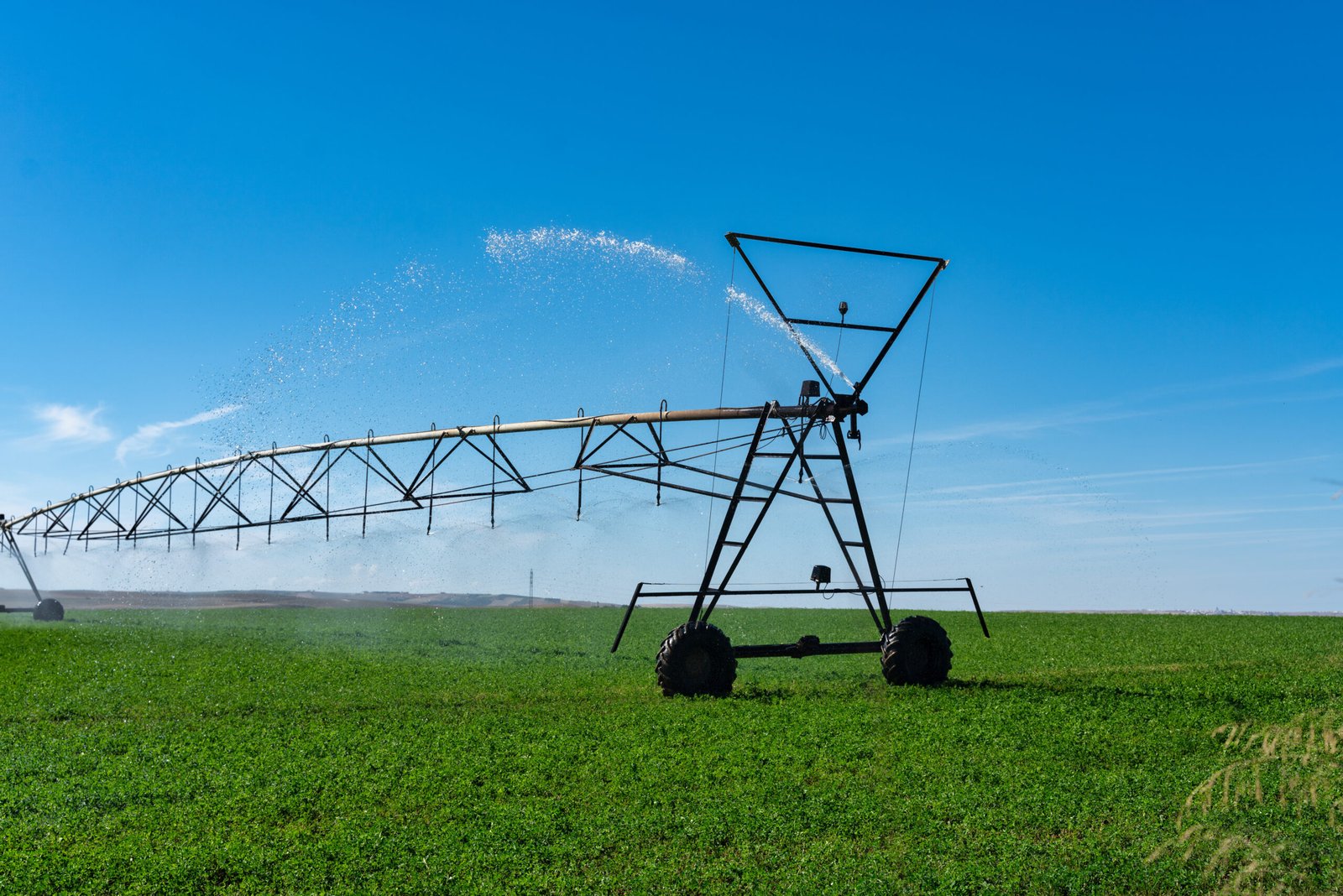
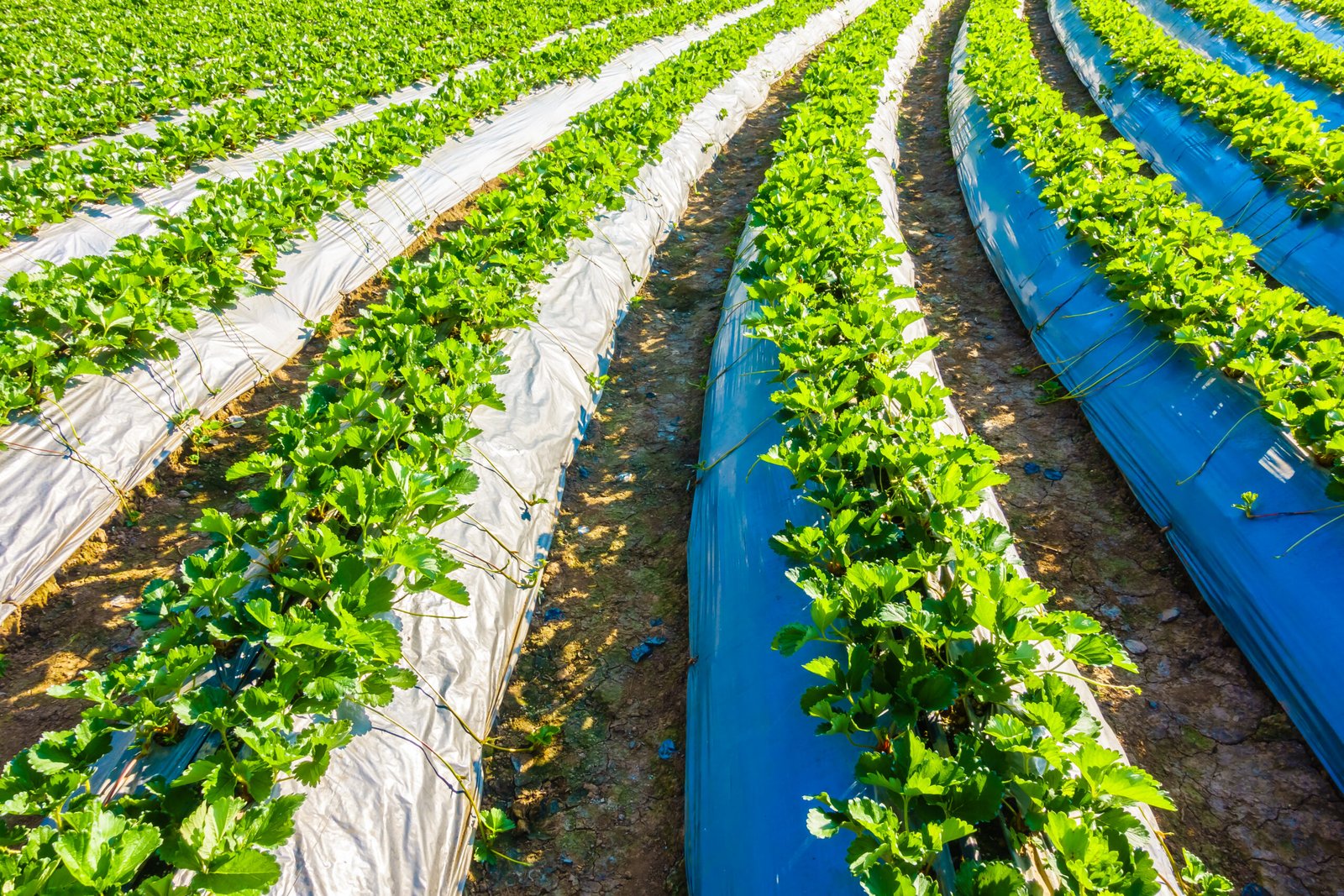
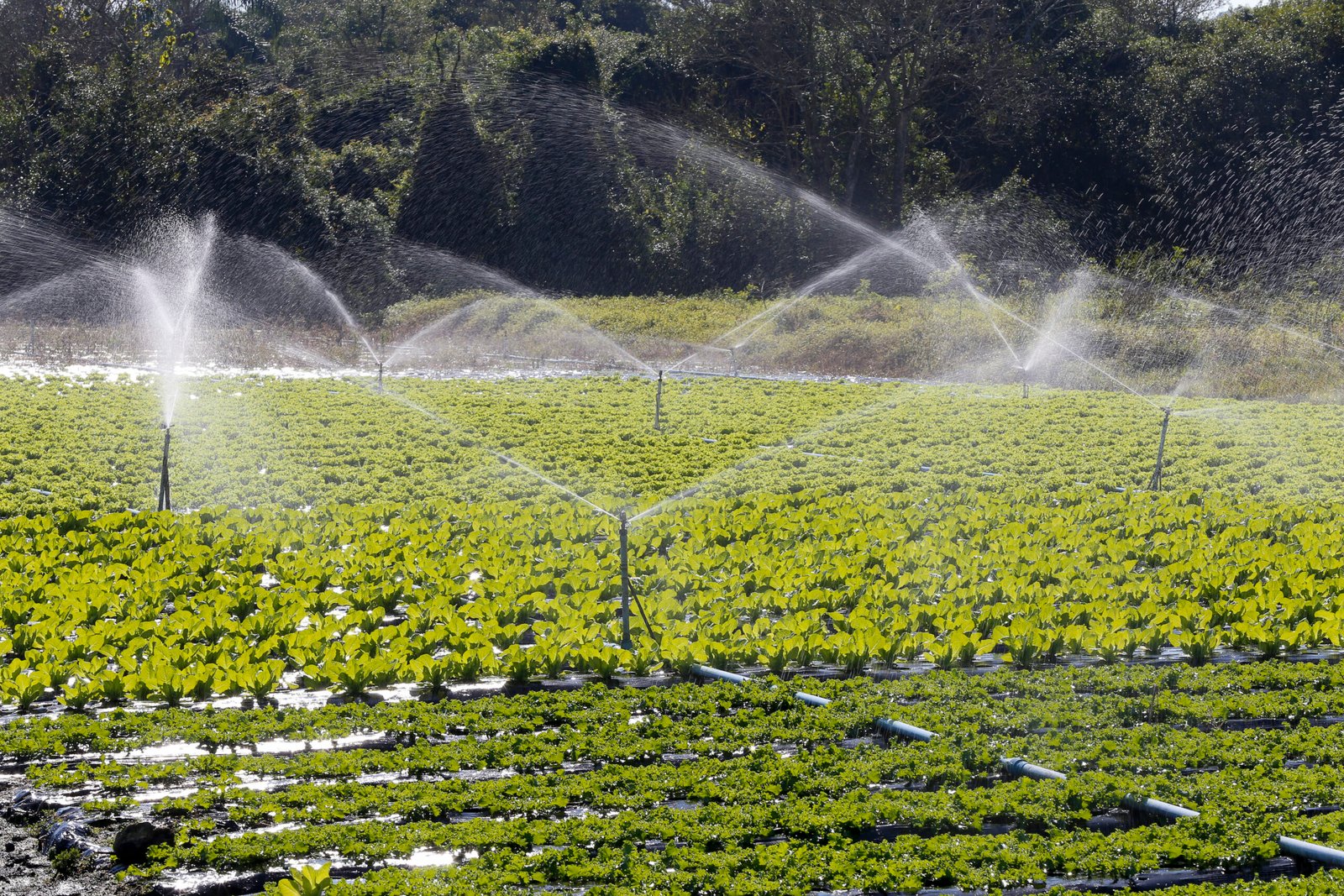
The NBP will make irrigation expansion the highest infrastructure priority in the agricultural sector, with a five-year target of bringing an additional 15,000 hectares under irrigation so that Gambian farmers are no longer at the mercy of rainfall variability.
A nationwide survey of irrigation potential will be completed in Year 1, mapping all watercourses, groundwater sources, and land suitable for gravity-fed or pump-fed irrigation, producing the investment pipeline for the full programme. Small-scale community irrigation schemes drawing from rivers, streams, and boreholes will serve smallholder rice growing communities, with management transferred to community water user associations. Medium-scale irrigation schemes will serve clusters of commercial and cooperative farmers. Solar-powered pump irrigation will be prioritised over diesel wherever technically feasible, reducing operating costs and making irrigation economically viable in areas where diesel supply is unreliable. A farmer with reliable irrigation can grow two to three crops per year instead of one. That multiplier is the foundation of the agricultural transformation.
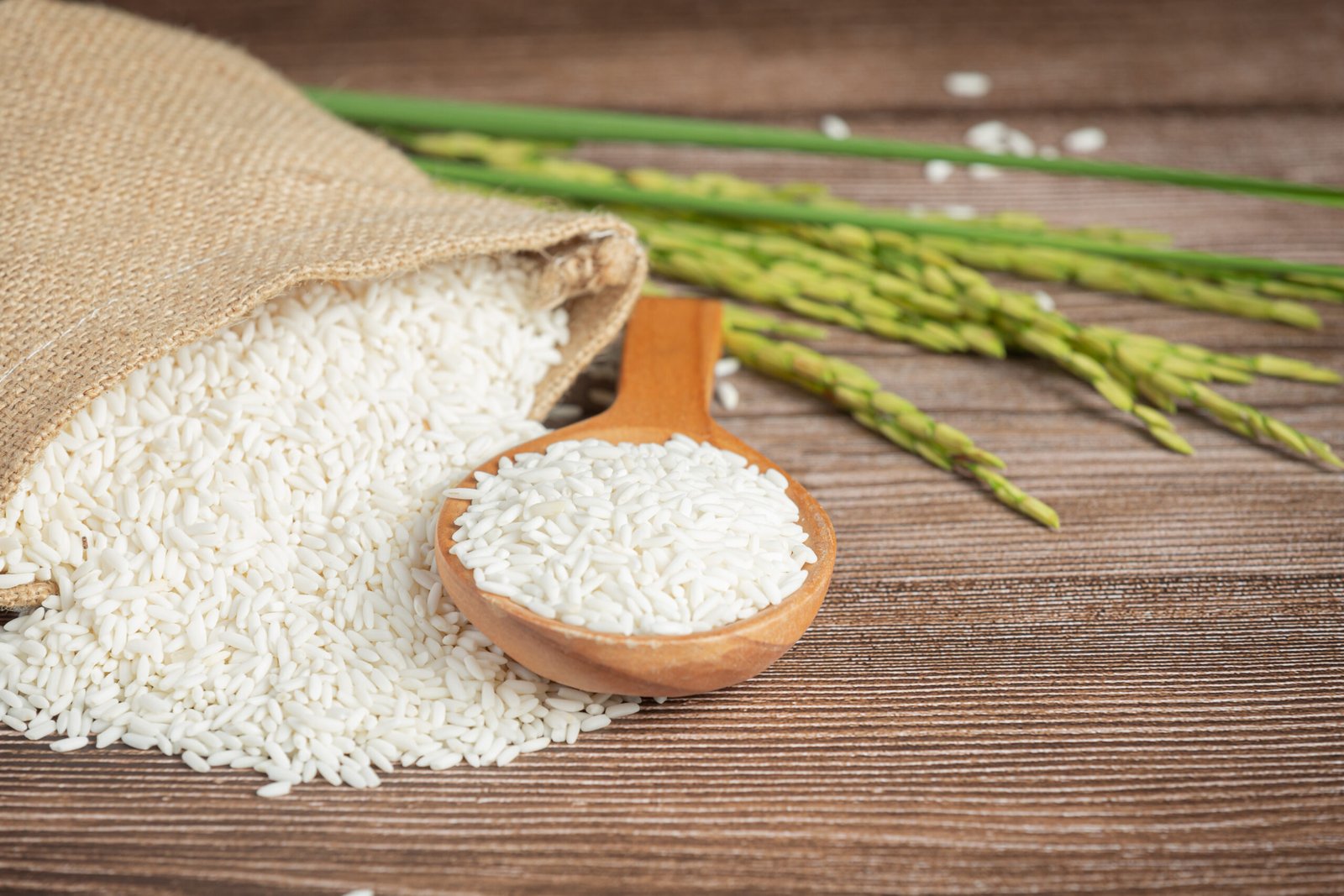
The NBP will declare rice a national strategic crop and commit the investment required to achieve self-sufficiency, because every Dalasi spent on imported rice is a Dalasi that could have been earned by a Gambian farmer.
A National Rice Development Unit within NAIMO will coordinate all aspects of the programme from seed development through to processing, marketing, and quality standards. High-potential rice production zones in the lowlands, river floodplains, and valley bottoms of the North Bank and Central River Regions will be mapped and designated as priority development areas. Certified high-yielding rice varieties suited to Gambian soil and climate will be made available to all registered rice farmers at subsidised rates. A National Rice Quality Standard will ensure domestically produced rice competes with imported rice on quality, not merely price. Government institutions including schools, hospitals, the military, and prisons will be required to purchase a defined proportion of their rice from registered Gambian producers, creating stable institutional demand.
The NBP will support the transition from subsistence to commercial agriculture through public-private partnerships, a national mechanisation service, agribusiness loans, and direct market linkages that put more value in farmers' hands.
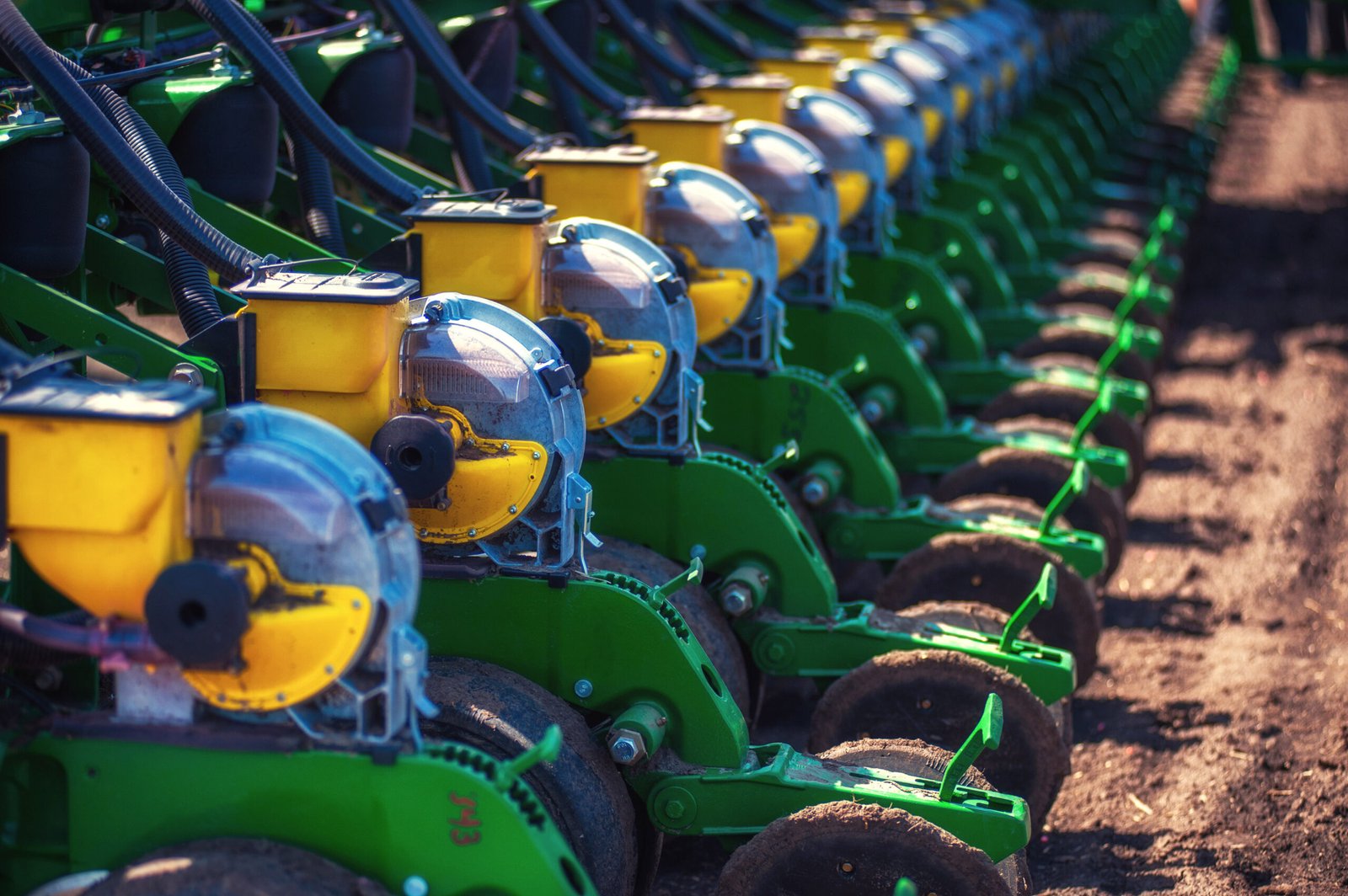
A Public-Private Farming Partnership framework will facilitate partnerships between smallholder farmer groups and private agribusiness operators, with the government providing land access facilitation, infrastructure investment, and regulatory support while private partners provide capital, management expertise, and market access. An Agricultural Mechanisation Service operated through government-backed cooperatives will provide tractors, combine harvesters, threshers, and other mechanised equipment on a hire basis, making mechanisation accessible to farmers who cannot afford individual ownership. The National Agricultural Bank will be recapitalised and refocused to provide medium-term financing for farm expansion, equipment purchase, and processing facility establishment at interest rates appropriate for agricultural lending timescales. Direct market linkage programmes will connect cooperatives with food processors, exporters, and institutional buyers.
The NBP will build the storage, milling, and processing infrastructure that turns a harvest into a product and a product into income, because a crop that rots or sells at farm-gate prices feeds neither the farmer nor the nation's development ambitions.
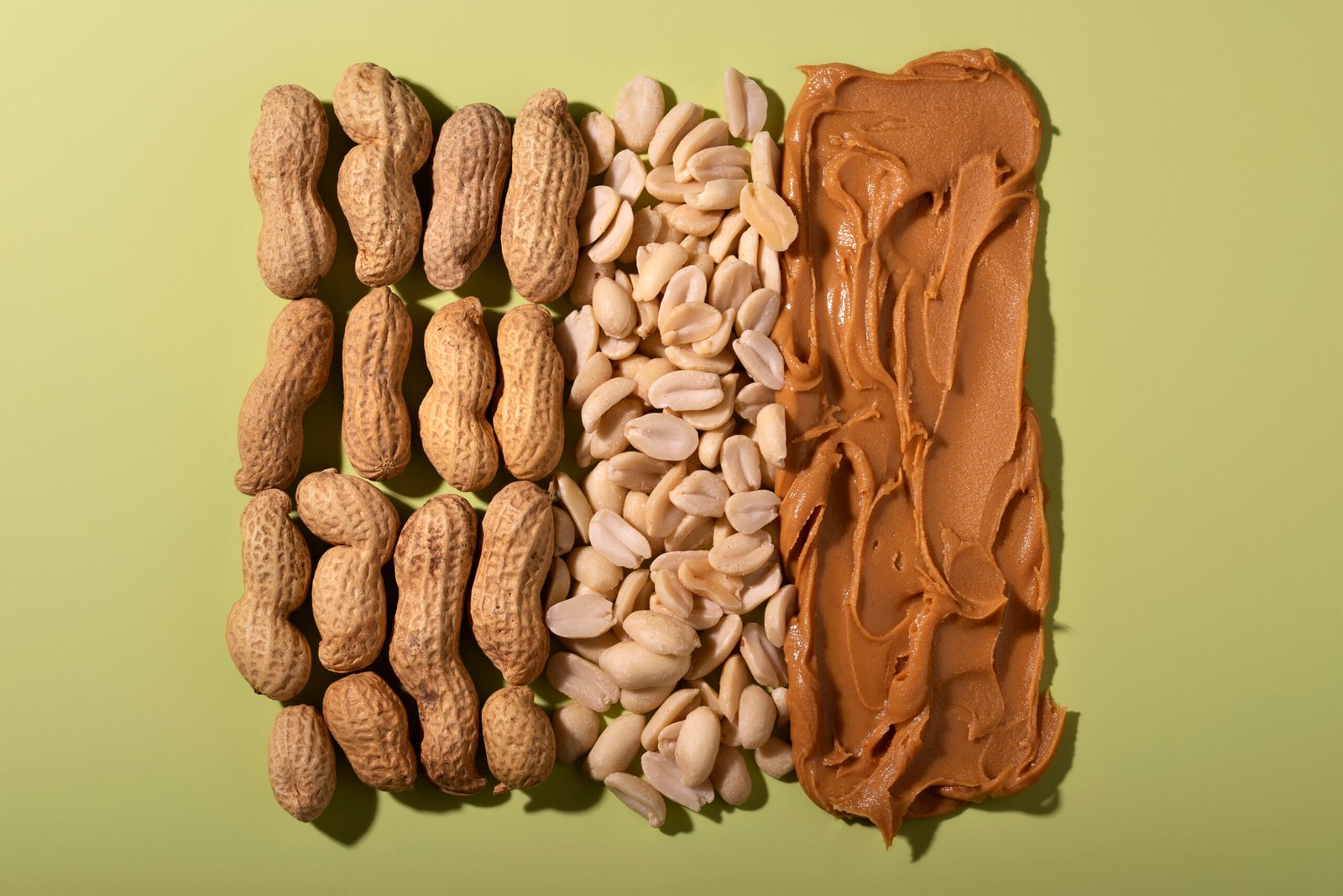
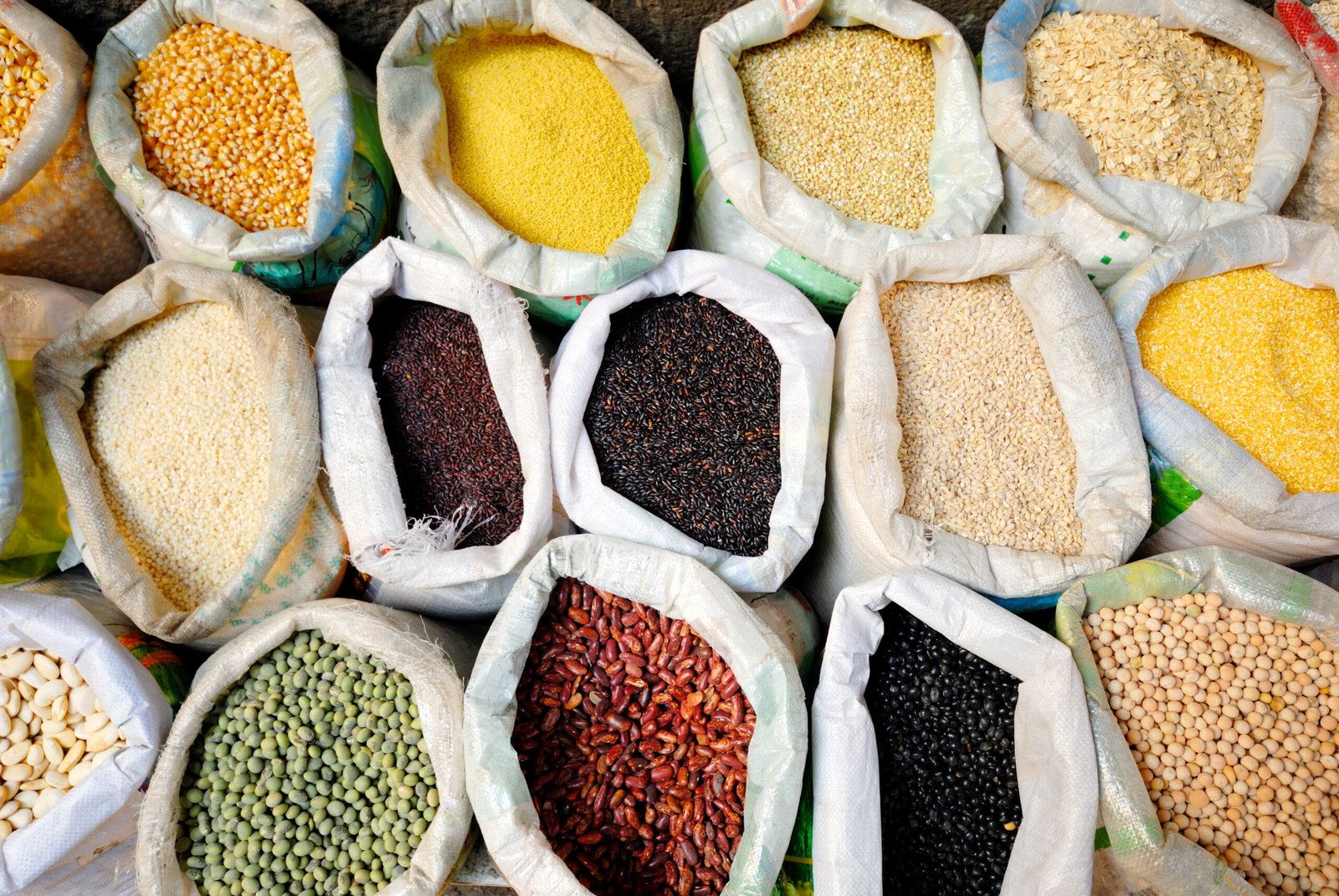
Regional rice milling and storage facilities will be constructed in major farming zones to reduce post-harvest loss and increase the value of what farmers produce. A Warehouse Receipt System will allow farmers to store grain and receive financing against its value rather than being forced to sell immediately after harvest at the lowest seasonal prices. Cold storage facilities at major market centres and produce aggregation points will extend the shelf life of perishable horticulture produce. A Made in The Gambia Agricultural Brand, developed with support from the National Agricultural Research Institute, will position Gambian groundnuts, sesame, cashews, and processed agricultural products for export in regional and international markets, capturing the premium that quality branding commands.
The NBP will expand the national agricultural extension service to reach every farming community with practical, evidence-based guidance, and will strengthen the National Agricultural Research Institute as the primary generator of locally adapted agricultural knowledge.
Farmer Field Schools in all regions will deliver hands-on practical training in improved crop management, soil health, pest and disease control, and post-harvest handling. Female extension officers will be actively recruited, recognising that women farmers are disproportionately underserved by extension systems dominated by male officers. NARI's budget will be increased to fund a defined research programme covering crop variety development, soil health, climate adaptation, and post-harvest technology. A Farmer Innovation Fund will provide small grants for Gambian farmers developing locally adapted solutions. Climate-smart agriculture practices covering conservation farming, agroforestry, drought-tolerant varieties, and water harvesting will be introduced through the extension system to build resilience against the rainfall variability that climate change is already producing in The Gambia.
The NBP will launch the Young Farmers Programme to give young Gambians the land access, startup capital, equipment, training, and guaranteed market connections to establish viable farming enterprises and stay and build at home.
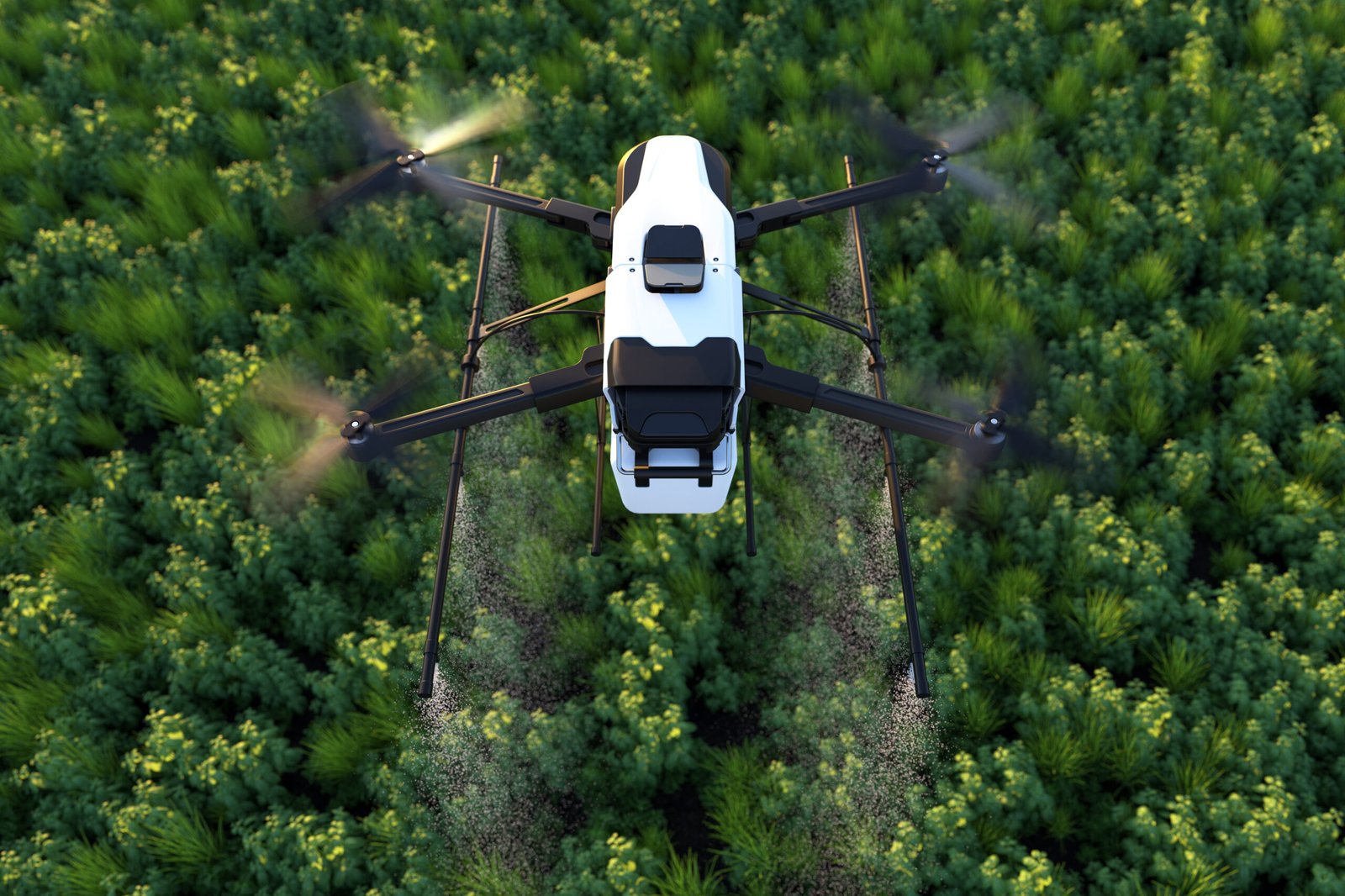
For too long, farming has appeared to young Gambians as a last resort rather than a genuine career. The NBP will transform this perception by transforming the reality. Young Farmers Programme participants will receive land access, startup capital, mechanised equipment access, intensive agronomic training, and guaranteed market connections for their first three growing seasons, giving them the foundation to build enterprises that grow beyond the programme period. An Agricultural Digital Platform accessible by smartphone will deliver real-time weather forecasts, market price information, agronomic advice, financial services, and supply chain management tools, connecting young farmers to global agricultural knowledge at low cost. Agricultural cooperatives will be supported and formalised, enabling smallholders to access bulk purchasing, shared equipment, collective marketing, and formal banking relationships unavailable to individual subsistence farmers.
The National Builders Party will expand the Gambian agricultural product range beyond groundnuts and rice, supporting large-scale horticulture, animal husbandry, and agro-processing so that the sector generates wealth across the full range of what Gambian soil and climate can produce.
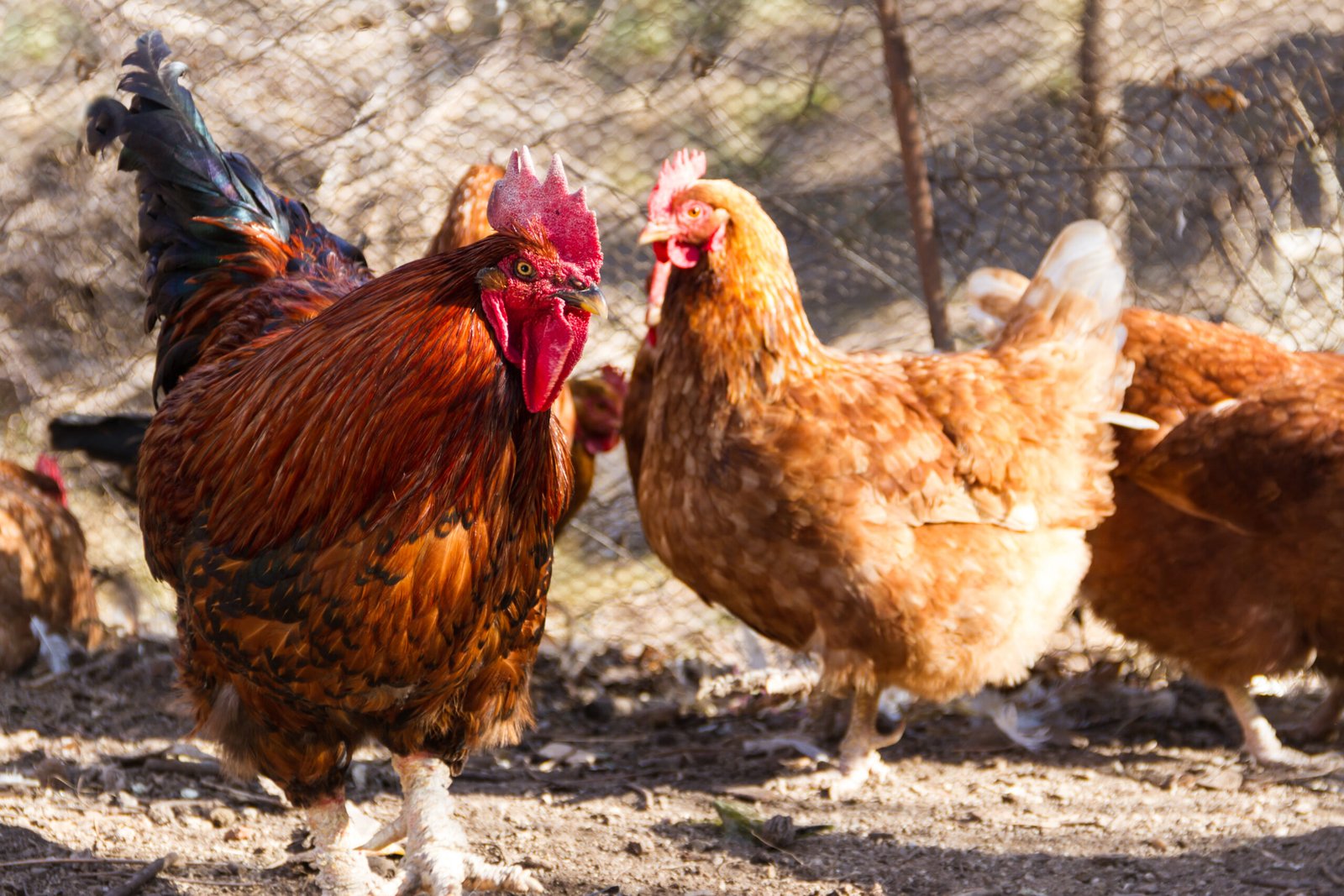
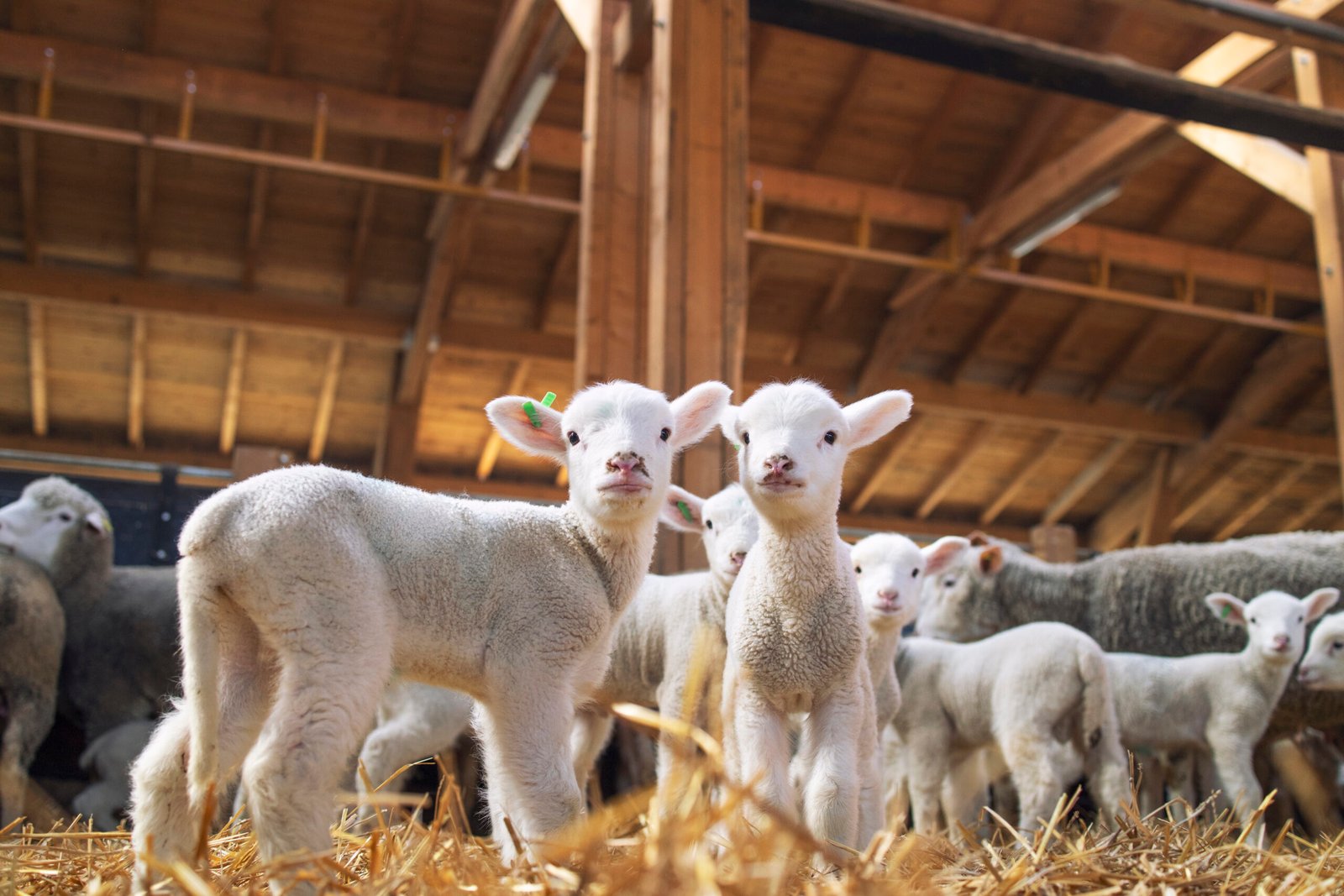
Large-scale animal husbandry programmes covering poultry, dairy, sheep, cattle, and aquaculture will be developed alongside crop farming, diversifying farm income and improving household nutrition. Large-scale horticulture production of fruits and vegetables for both domestic consumption and export will be encouraged, with the Gambia's climate and proximity to European markets giving it genuine competitive advantages. New cash crops including soybeans, cotton, and cocoa will be introduced through the NAIMO extension programme. An agricultural export promotion programme, developed with the Ministry of Trade and international agricultural advisors with experience in comparable markets, will identify the products, the certification pathways, and the market relationships that give Gambian agricultural exports the access and the price premiums they deserve.
For Farmers
Irrigation that lets you grow across the year, not just the rainy season. Certified seed that yields more. A mechanisation service that means you do not need to own a tractor to use one. Storage and milling facilities that let you sell a processed product rather than raw grain at the lowest seasonal price. A cooperative structure that gives you the collective buying power and market access that no individual farmer can achieve alone. Farming will be profitable. The NBP will build the infrastructure that makes it so.
For Young Gambians
The Young Farmers Programme is built for you. Land access. Startup capital. Equipment. Training. Guaranteed markets for your first three seasons. An Agricultural Digital Platform on your phone connecting you to prices, forecasts, and buyers. Farming does not have to be what your parents did with fewer resources and no support. Under the NBP, it can be a modern, technology-driven, commercially viable career that keeps you home and building The Gambia with your own hands.
For Every Family
Rice grown in The Gambia, milled in The Gambia, and sold at competitive prices is food security that does not depend on import prices set in other countries. When farmers earn more, rural communities grow stronger. When agricultural land is protected, the food supply is protected for generations. When the sector diversifies into horticulture, animal husbandry, and processed exports, the rural economy generates the employment and the income that keeps families together and communities thriving.
The New National Standard in agriculture is a farm that is productive enough to generate a profit, not just food. A farmer who has access to irrigation, certified seed, mechanisation, and a market that pays a fair price for what they grow. A rice crop that is grown, milled, and sold in The Gambia rather than imported. A groundnut that is pressed into oil and packaged for export rather than sold raw at the farm gate. A young Gambian who chooses farming as a career because it is a viable, supported, modern profession, not because there is no other option. Agricultural land that is protected because the nation understands that every hectare converted to concrete is a permanent reduction in the country's food sovereignty. The Gambia has the land. It has the water. It has the farmers. What it has lacked is a government that treats agriculture as the strategic priority it is and invests accordingly. The National Builders Party will be that government.
The nation's path to true economic independence begins with the soil. Through irrigation, infrastructure, inspection, and innovation, the National Builders Party will make farming profitable and transformational for farmers, for families, and for The Gambia.