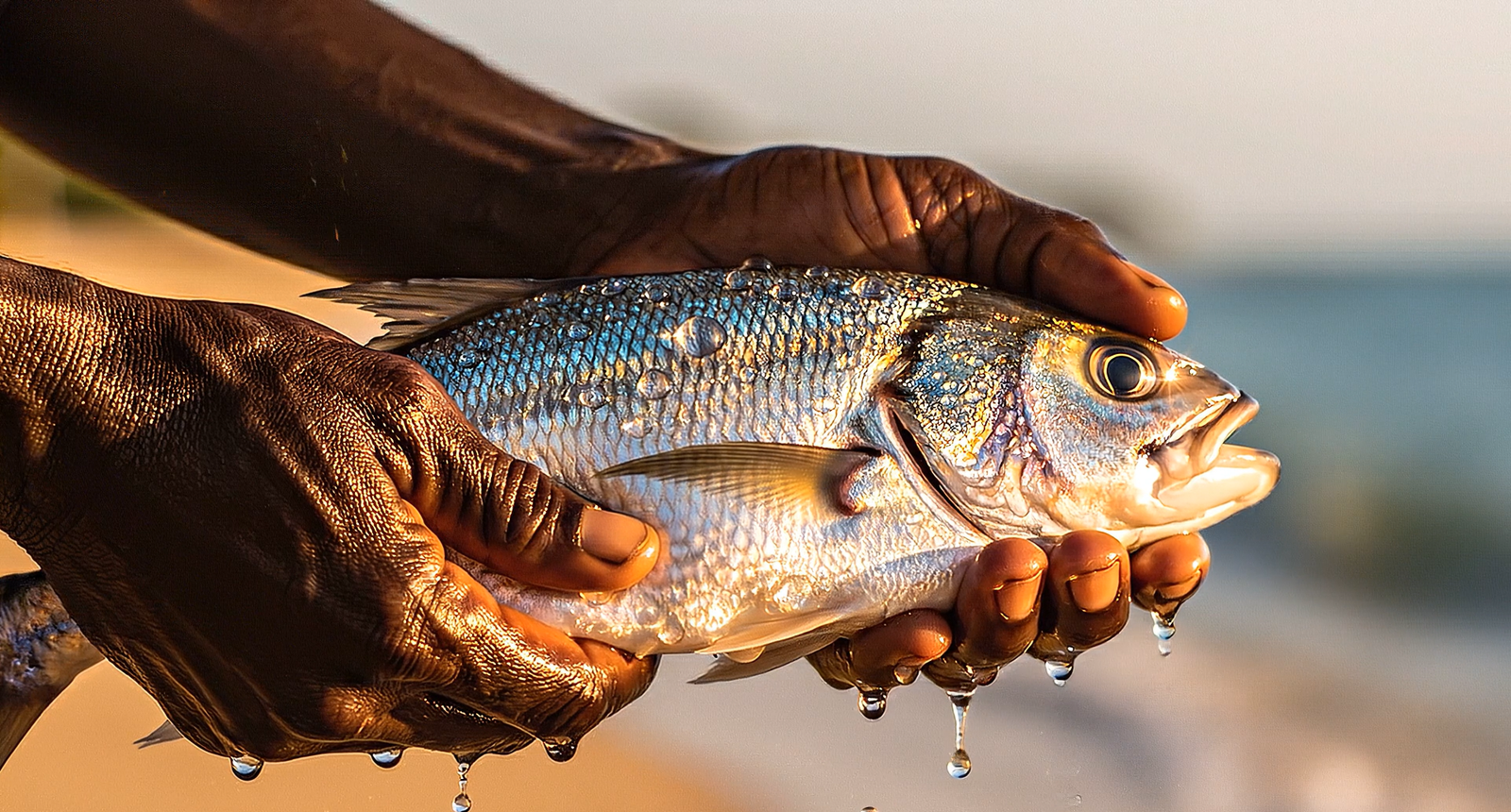
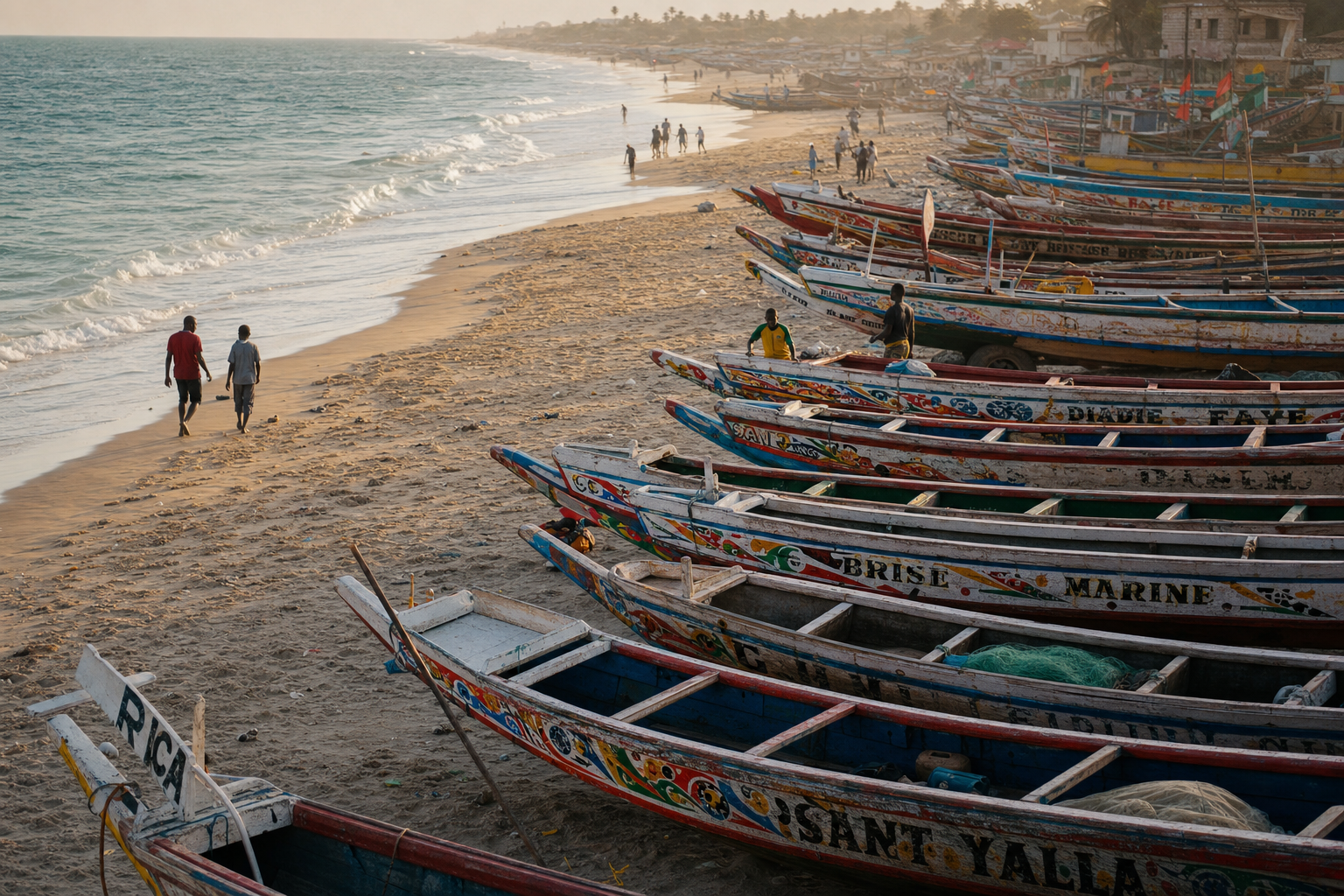
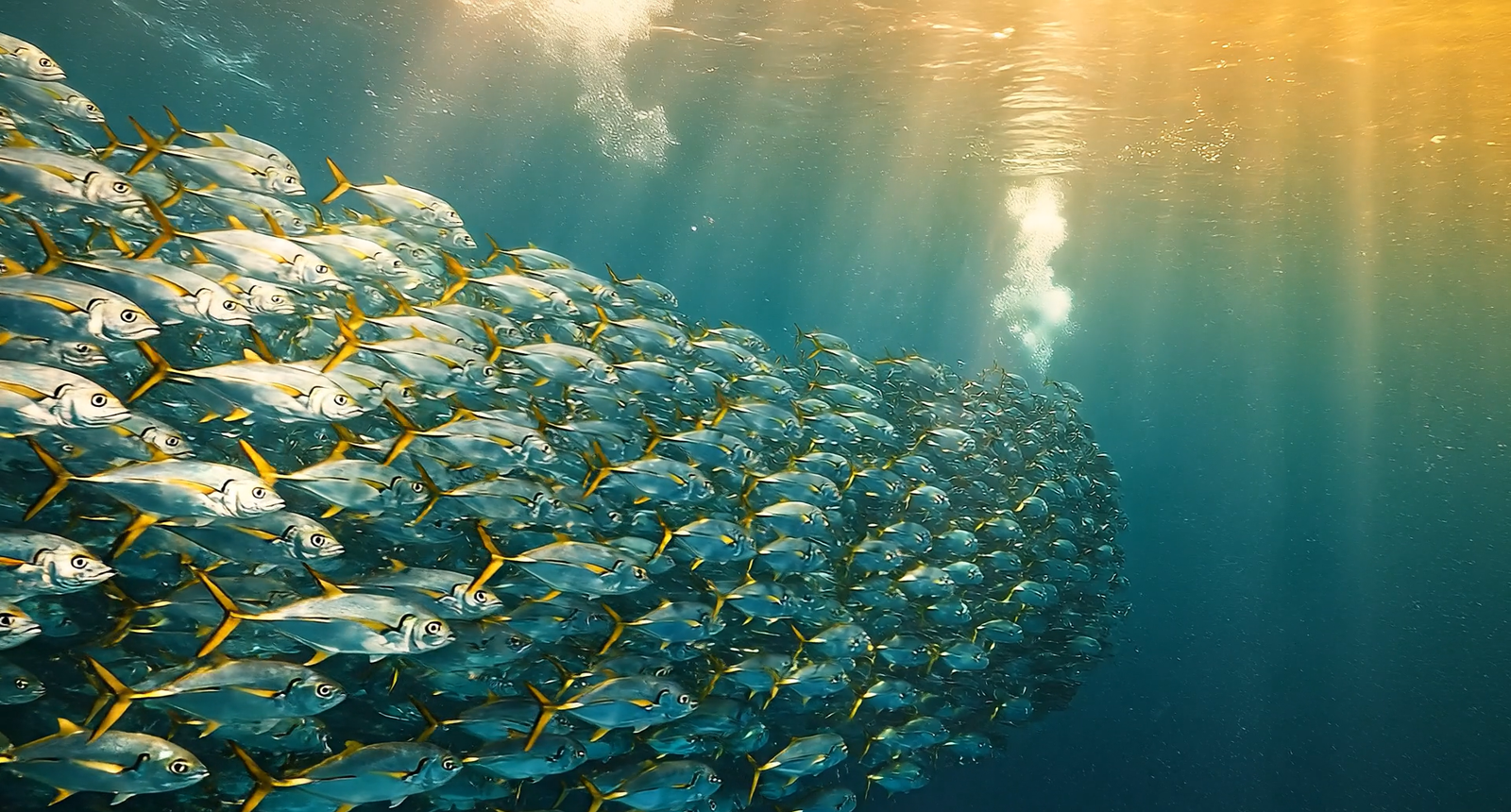
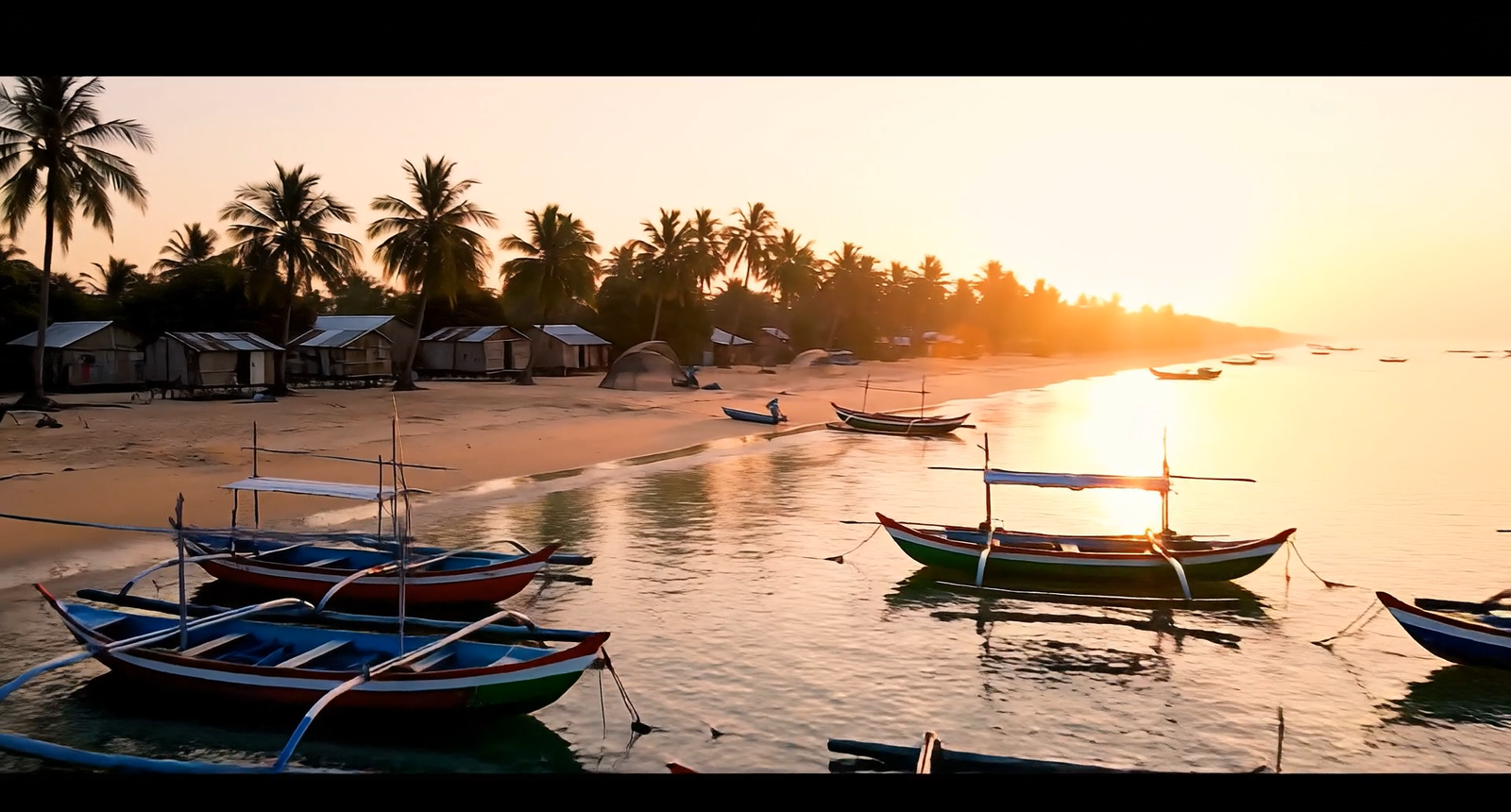
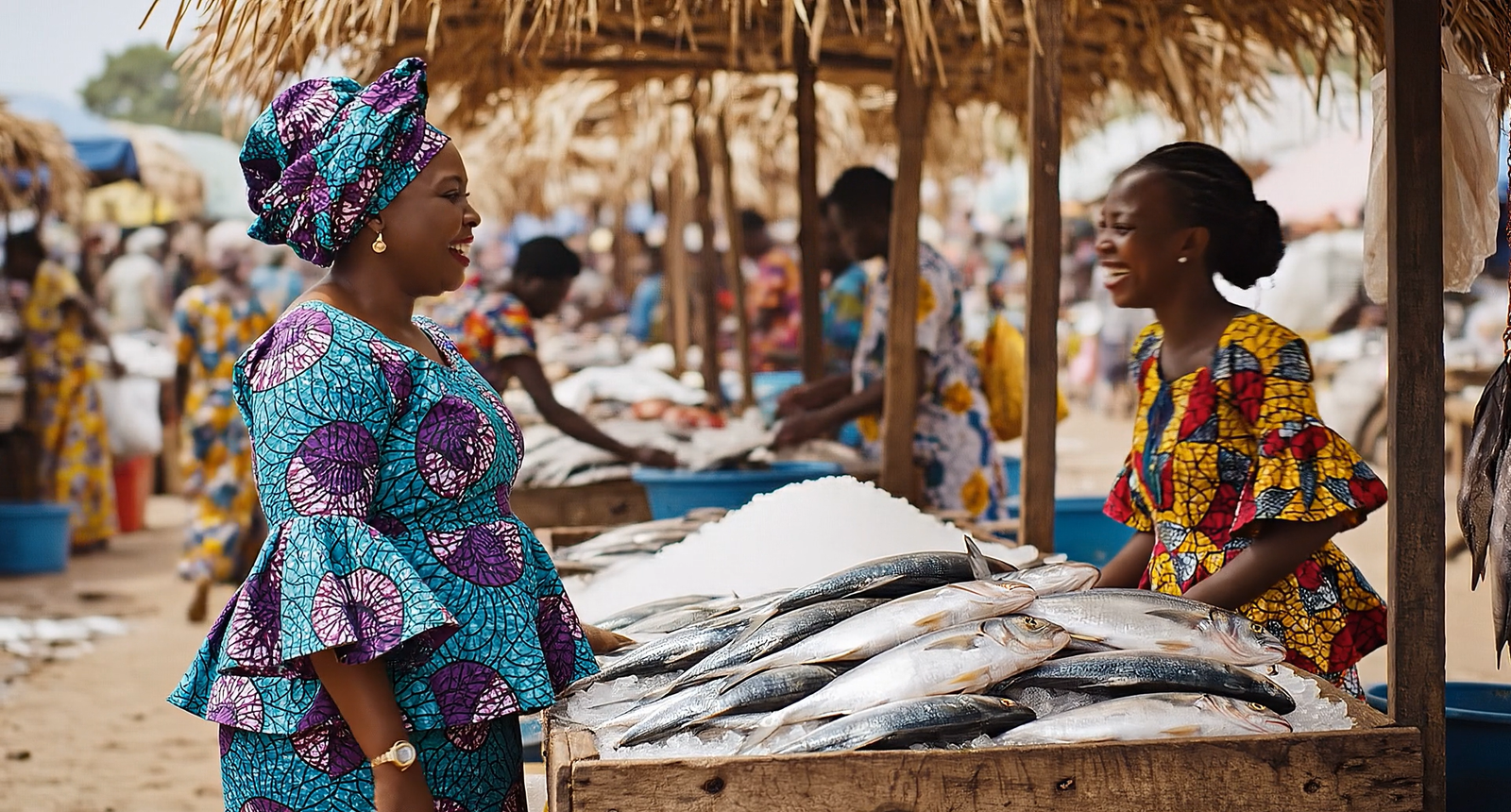
The fish in Gambian waters belong to the Gambian people. The fisherman who wakes before dawn, loads his pirogue, and goes out to feed his family and his community is operating in one of the most important economic sectors in the country. For too long, that sector has been exploited by foreign fleets, undersupported by government, and denied the infrastructure that would allow it to develop into the high-value industry it should be. Poorly regulated foreign fishing agreements have allowed industrial fleets to operate in Gambian waters at terms that returned minimal economic value to the country. Local fishermen have seen their catches decline as those fleets take more than the ecosystem can replace. Fish landed on Gambian shores move through a poorly developed value chain, with a significant proportion spoiling before it reaches consumers because cold chain infrastructure does not exist at the required scale. Fisherfolk operate without formal registration, without social protections, without access to affordable finance, and without the occupational safety infrastructure that their dangerous work on open water requires. The National Builders Party will restore sovereignty over Gambian waters, support the people who work them, and build the infrastructure that turns a survival activity into a strategic national industry.
A Gambia where the fish in its waters are managed as the sovereign national resource they are, harvested at sustainable levels by Gambian fishermen who are registered, equipped, protected, and fairly rewarded for their work. Where modern fish landing sites and markets in every major fishing community provide the cold chain, the hygiene, and the commercial infrastructure that a serious fishing industry requires. Where Gambian fish reaches Gambian tables and export markets in the form of processed, high-value products carrying a Made in The Gambia brand recognised for quality. Where aquaculture complements capture fisheries, providing year-round fish supply to communities far from the coast and the river. Where the next generation of Gambian marine scientists, fish processors, and aquaculture entrepreneurs are trained through a school curriculum that takes the ocean seriously. Our waters will feed our people, employ our youth, and sustain our economy.
The NBP will establish a National Fishing Registry, formally recognising fishing as a professional trade and giving every registered Gambian fisherfolk access to identity cards, equipment support, microloans, and the protections that professional status affords.
For the first time, Gambian citizens who register and practise fishing as their full-time trade will receive special privileges, protections, and economic benefits. The Registry will record every fisherfolk, their vessel, and their equipment, creating the national database that makes licensing, support, and enforcement possible. Equipment assistance covering nets, boats, engines, and cold storage units will be available through cooperative schemes and local support offices. A Fishing Equipment Revolving Fund will enable registered fisherfolk to access gear they cannot afford to purchase outright. A Fisherfolk Social Protection Fund will provide safety net support for registered fishermen and women in cases of injury, illness, loss of equipment, or weather-related income loss, recognising that fishing is one of the most physically dangerous occupations in The Gambia.

The NBP will take a bold stance to protect Gambian waters from illegal, unreported, and unregulated fishing, with real enforcement tools, renegotiated foreign agreements, and Marine Protected Areas that allow fish stocks to recover.
All existing foreign fishing agreements will be reviewed within the first year of government. Agreements that return inadequate economic value, allow excessive catch volumes, or fail to include meaningful Gambian participation requirements will be renegotiated or revoked. A Fisheries Patrol Unit equipped with purpose-built coastal patrol vessels will enforce fishing regulations, intercept IUU fishing vessels, and remove illegal gear. A Vessel Monitoring System using satellite tracking and Automatic Identification System technology will provide real-time monitoring of all licensed vessels operating in Gambian waters. Marine Protected Areas and seasonal no-fishing zones will be established to allow critical fish stocks to replenish. International partnerships with INTERPOL, the FAO, and regional maritime enforcement agencies will track and sanction IUU fishing vessels that exploit Gambian waters.
The NBP will develop modern fish landing sites and markets in every major fishing community, giving fisherfolk and fish traders the hygiene, cold chain, and commercial infrastructure that safe and profitable fish trading requires.
Priority landing site development will begin in the major coastal fishing communities, with purpose-built facilities that include clean water supply, ice production, proper surfaces and covered storage, weighing stations, auction facilities, and direct road access for vehicles collecting fish for processing and distribution. Modern fish markets across the country, with a focus on regional hubs near major fishing communities and inland towns along the river systems, will operate under local government oversight, creating jobs and stimulating micro-businesses along the fisheries supply chain. Cold storage facilities at major market centres and landing sites will extend shelf life and reduce the spoilage that currently costs fisherfolk and traders a significant proportion of every catch before it reaches a buyer.
The NBP will develop a domestic fish processing and export industry, ending the dependence on raw product exports and maximising the value of Gambian seafood through processing, branding, and certification for international markets.
Incentives for the creation of local fish drying, smoking, canning, and freezing businesses will be provided through the NTEA enterprise support programme. A dedicated fish processing zone at the port will provide shared processing, cold storage, and export logistics infrastructure for smaller processors who cannot individually afford purpose-built facilities. A Proudly Gambian Seafood brand, launched through the Gambia Investment and Export Promotion Agency, will promote Gambian fish products in regional and international markets with a recognised quality identity. An EU Competent Authority certification programme, targeted for Year 4, will enable Gambian fish processors to access the European export market, which commands the highest prices for certified seafood products.
The NBP will develop aquaculture as a complement to capture fisheries, providing year-round fish supply, new employment, and a growing domestic protein source that reduces pressure on wild fish stocks.
A National Aquaculture Demonstration Centre will be established to test and develop aquaculture models suited to Gambian conditions, from pond-based tilapia and catfish production to cage culture in the river and estuarine systems. Training programmes for prospective aquaculture farmers will be delivered through the NTEA network, covering species selection, feed management, disease control, water quality, and business planning. Low-interest startup financing for aquaculture enterprises will be available through the National Agricultural Bank. A target of at least 100 registered aquaculture operations nationally by Year 4 will expand domestic fish production substantially. Inland communities far from the coast and the river will gain reliable access to fresh fish through local aquaculture production, improving household nutrition and creating rural employment independent of the seasonal constraints of capture fishing.
The NBP will make sea safety training mandatory for all registered fishermen and will create the financial infrastructure that allows fisherfolk to invest in their vessels, equipment, and businesses without depending on exploitative informal moneylenders.
A mandatory sea safety training programme, delivered through the Department of Fisheries and the Navy, will cover vessel stability and loading limits, life-saving equipment use, emergency signalling, weather assessment, first aid at sea, and navigation basics. All registered vessels will be required to carry life jackets for every person on board, distress flares, a VHF radio, and a first aid kit as conditions of the fishing licence. A Women's Fisheries Value Chain Finance Programme will provide dedicated financing and business support to women fish traders, processors, and smoking operators who dominate the post-harvest fisheries economy but have historically been underserved by formal financial institutions. The National Agricultural Bank will develop specific fisheries lending products with repayment structures matched to seasonal fishing income patterns.
The NBP will introduce fishing and marine education into the national school curriculum from primary level, building the next generation of Gambian marine scientists, aquaculture entrepreneurs, and fish industry professionals.
Marine ecology, sustainable fishing techniques, aquatic food chains, and coastal resource management will be taught from upper primary through senior secondary school. Fishing entrepreneurship programmes in secondary schools and vocational institutes will prepare youth for business ownership and careers in marine trades. A partnership with the University of The Gambia and international marine research institutions will establish a marine science degree programme launching in Year 4, providing the higher education pathway for Gambians who want to work in fisheries science, aquaculture research, maritime law, and ocean resource management. Community-based programmes through the NTEA network will provide practical fish processing, cold chain management, and aquaculture training to youth who want to work in the industry without pursuing a full degree.
The National Builders Party will govern Gambian fisheries on the basis of science, with a national stock assessment programme, published catch limits, and enforcement that makes sustainable fishing the only legal option for every vessel in Gambian waters.
A national fish stock assessment, commissioned in Year 1 and repeated every two years, will provide the scientific basis for catch limits, fishing season durations, gear restrictions, and Marine Protected Area boundaries. A Fisheries Revenue Fund, drawing from foreign fishing licence fees renegotiated to reflect genuine market value, will provide dedicated funding for enforcement, stock monitoring, and fisheries development programmes. Annual fisheries enforcement reports will publish IUU seizure data, prosecution outcomes, and compliance rates by vessel type and fishing zone, creating full public transparency on how Gambian waters are being protected. The goal is a fishing industry that The Gambia can still depend on in fifty years, not one that exhausts itself within a generation.
For Fishing Communities
Registration gives you formal professional status, equipment support, affordable finance, and a social protection fund when the sea takes more than it gives. Landing sites with ice, clean water, and proper surfaces mean your catch is worth more when it reaches the buyer. Foreign fleets that have been taking your fish will operate under renegotiated agreements or not at all. These are your waters. The National Builders Party will make the law reflect that.
For Young Gambians
Marine science at school. Fishing entrepreneurship in vocational training. A UTG marine science degree from Year 4. Aquaculture startup financing. Fish processing training through the NTEA network. The fishing industry under the NBP will need scientists, technicians, processors, exporters, and business people, not just fishermen. A Proudly Gambian Seafood brand competing in European markets will need a whole generation of Gambians behind it to build and sustain it.
For Every Family
Cold storage at landing sites and markets means the fish that reaches your community is fresher and safer. Aquaculture operations inland mean that communities far from the coast have access to affordable protein year-round. A fishing industry managed sustainably means that the resource that has fed Gambian families for generations will still be feeding them decades from now. The NBP envisions a Gambia where our waters feed our people, employ our youth, and sustain our economy for generations to come.
The New National Standard in fisheries is sovereignty. The fish in Gambian waters are a Gambian resource, managed for the benefit of Gambian people. Every vessel fishing in those waters is licensed, monitored, and fishing within sustainable limits. Every Gambian fisherfolk who registers has equipment, safety gear, finance, and the formal recognition that their trade deserves. Every fish that lands in The Gambia reaches the consumer in good condition, processed to a defined standard, priced fairly, and in a growing share of cases carrying more value than the raw fish alone. The foreign fleets that have taken Gambian fish while returning minimal value to Gambian communities operate under fundamentally different terms or not at all. The National Builders Party will restore sovereignty over Gambian waters. Our waters. Our fish. Our future.
Our waters are rich. Our fishermen are skilled. Our communities depend on the sea. What has been missing is a government that treats fishing as the sovereign national resource it is and invests in the people who harvest it. The National Builders Party will be that government.