The River Gambia carried enslaved Africans toward the Atlantic and into the most devastating forced displacement in human history. The Gambia was not merely a transit point for that horror. It was one of its primary theatres. Kunta Kinteh Island, Fort Bullen, Jufureh. These places carry a weight of historical meaning that belongs not only to Gambians but to the tens of millions of Africans in the diaspora who trace their roots to this river and this land. A descendant of enslaved Africans who travels from Baltimore or Birmingham or Bridgetown to reach Kunta Kinteh Island is making a journey of profound personal and historical meaning. The experience they find when they arrive should match that meaning. Currently, it often does not. The visitor experience at most of these sites falls far short of what the significance of the journey deserves. And The Gambia has no National History Museum adequate to the full depth and complexity of the story it holds, from ancient kingdoms through colonialism, independence, and democratic struggle. Two extraordinary historical narratives, neither of them with a home worthy of what they contain. The National Builders Party will build both.
A National History Museum in the Greater Banjul Area that is among the finest museums in Africa: architecturally distinguished, interpretively sophisticated, technologically immersive, and intellectually honest about the full complexity of Gambian history. A Kunta Kinteh Island that receives diaspora visitors with the dignity, the depth, and the emotional resonance that the most significant heritage journey in the Atlantic world deserves. A Fort Bullen transformed into a Trans-Atlantic Memorial Centre that stands alongside the great memorial sites of the African diaspora experience anywhere in the world. A Janjanbureh developed as the cultural and historical capital of the river corridor. A Gambia that the world comes to when it wants to understand what the transatlantic slave trade means, in the land where it began.
The NBP will establish the National Heritage Development Commission to plan, develop, manage, and promote the full suite of national museum and memorial infrastructure, with the specialist leadership and international partnerships that institutions of this sensitivity require.
The NHDC will be established by Act of the National Assembly with a Board comprising heritage specialists, historians, archaeologists, diaspora community representatives, and international heritage experts, ensuring that historical accuracy and cultural sensitivity govern every programming decision. A Director General with professional qualifications in museum studies or cultural heritage will lead the Commission, appointed through a competitive international process. A Diaspora Advisory Council, representing African diaspora communities in the United States, the Caribbean, the United Kingdom, and continental Africa, will provide the diaspora voice in all decisions about how their history is presented. International partnerships will be pursued with UNESCO, the Smithsonian National Museum of African American History and Culture, the British Museum, and African Union heritage bodies to ensure the highest standards of scholarship, conservation, and interpretive practice.

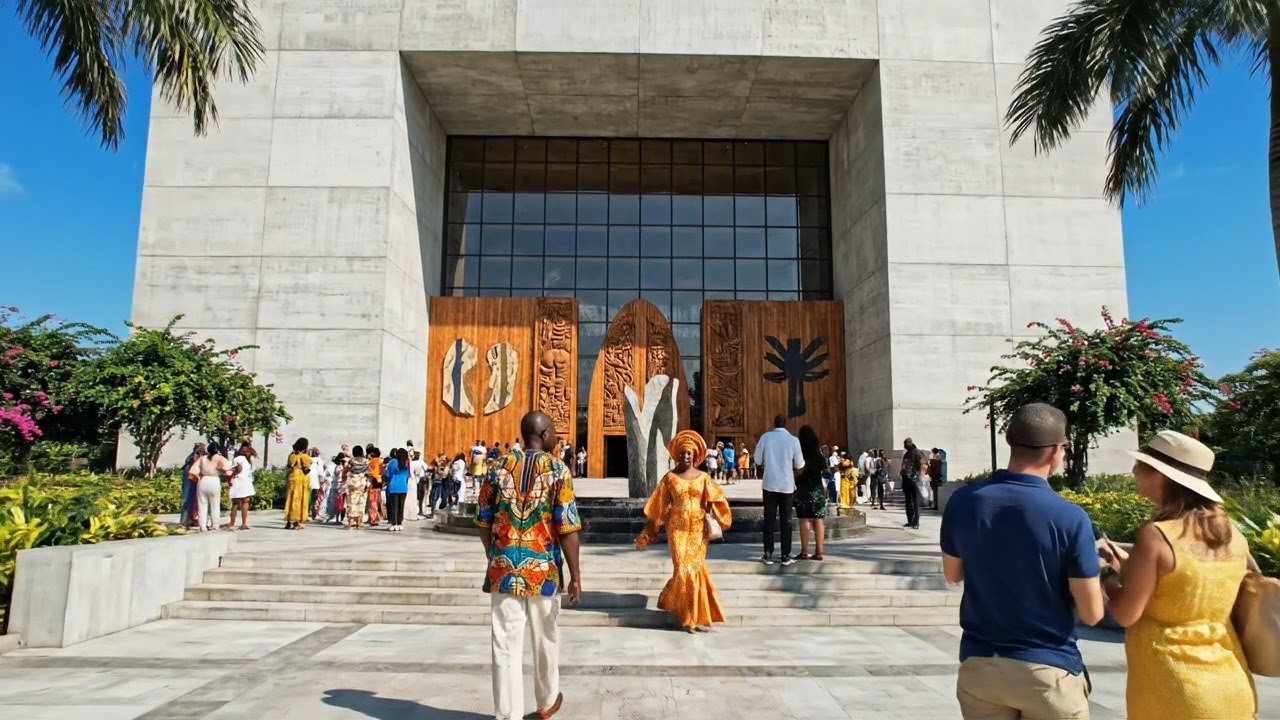
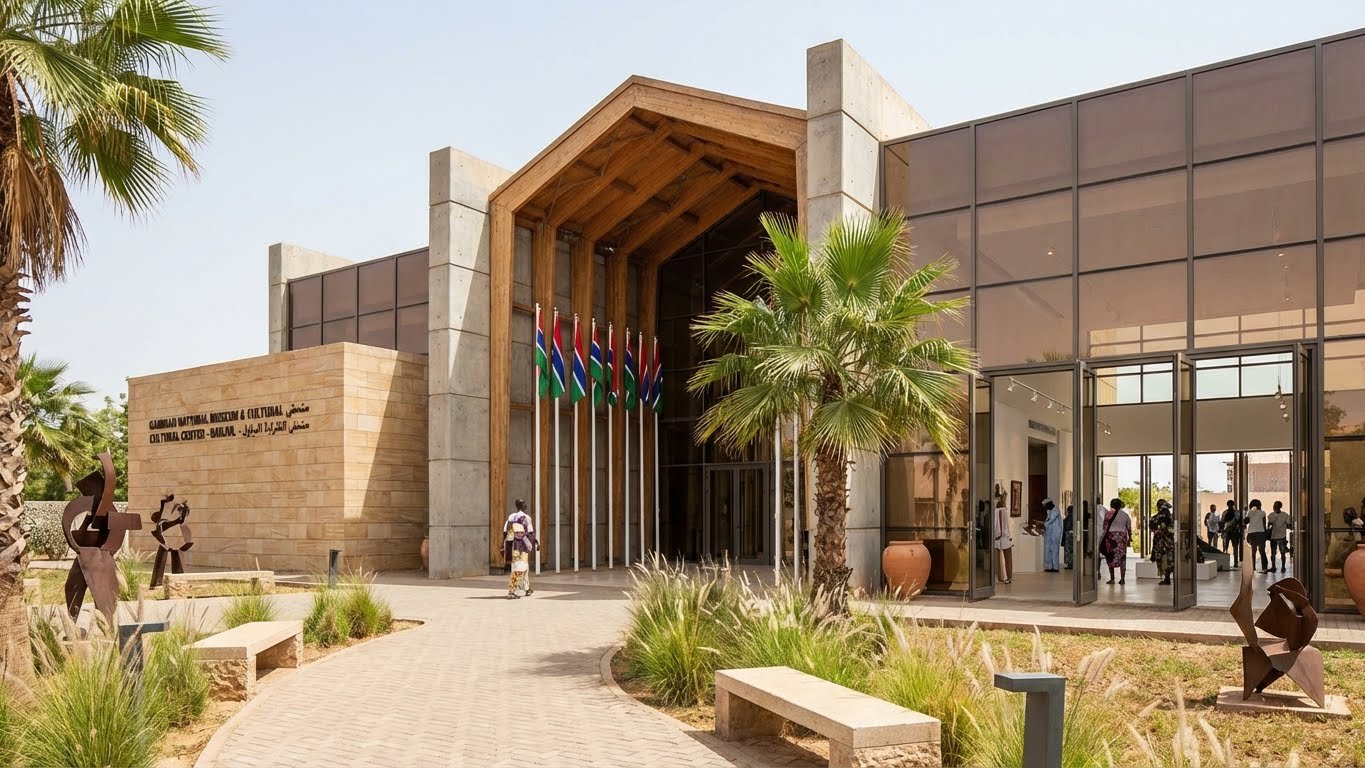
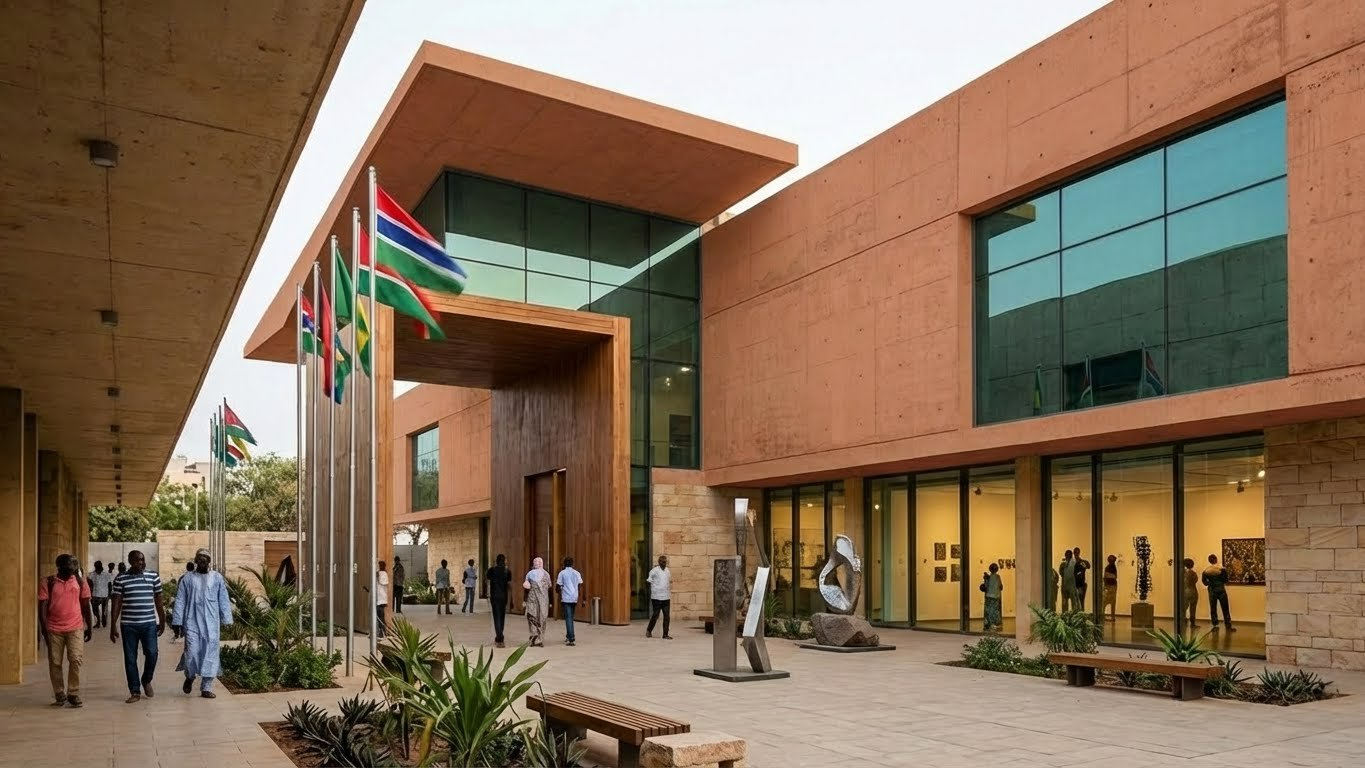
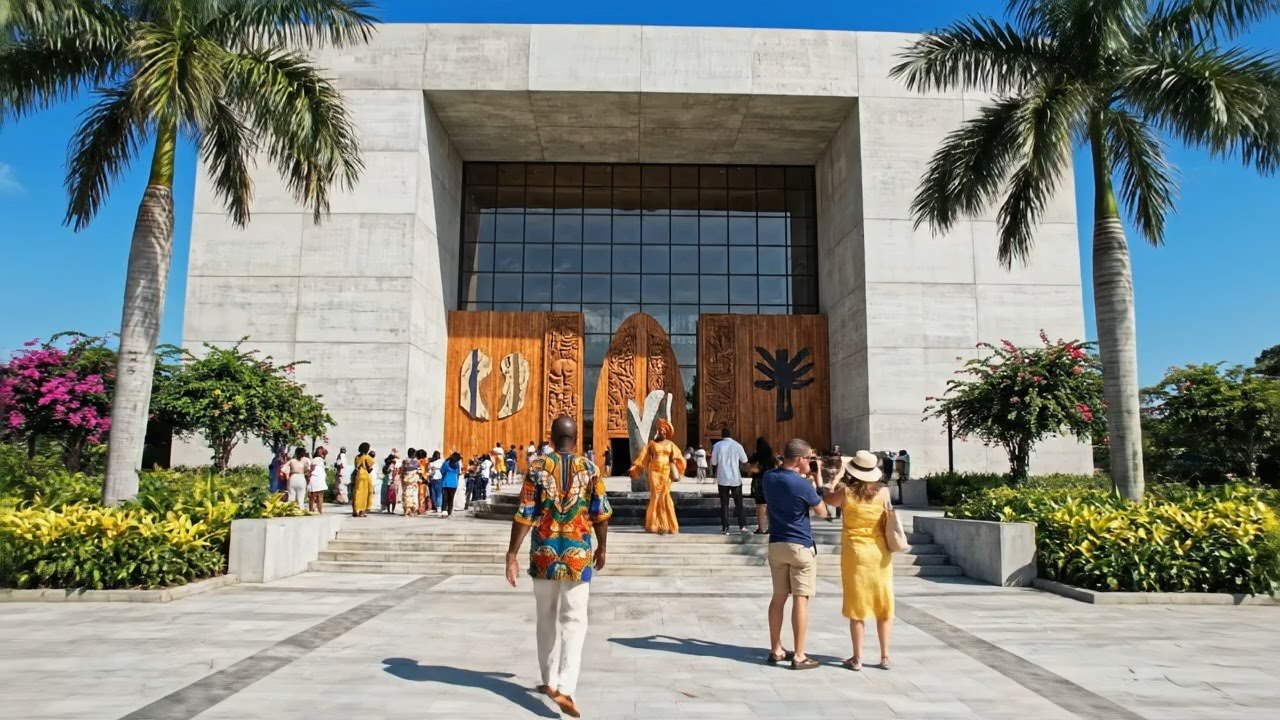
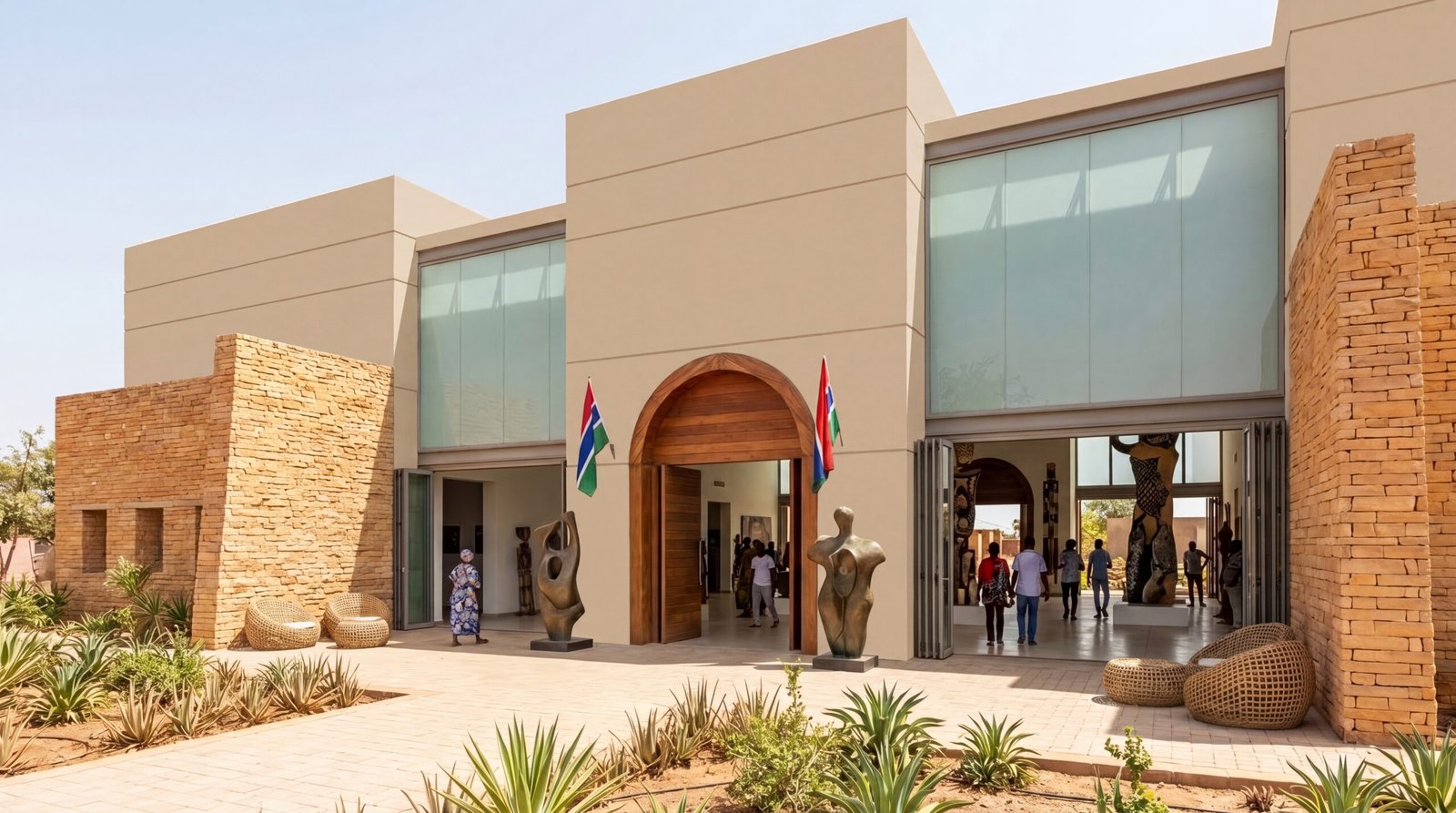
The NBP will build a world-class National History Museum in the Greater Banjul Area that gives Gambian history the institutional home it has never had, presenting the full story of this nation with the honesty, the depth, and the architectural ambition it deserves.
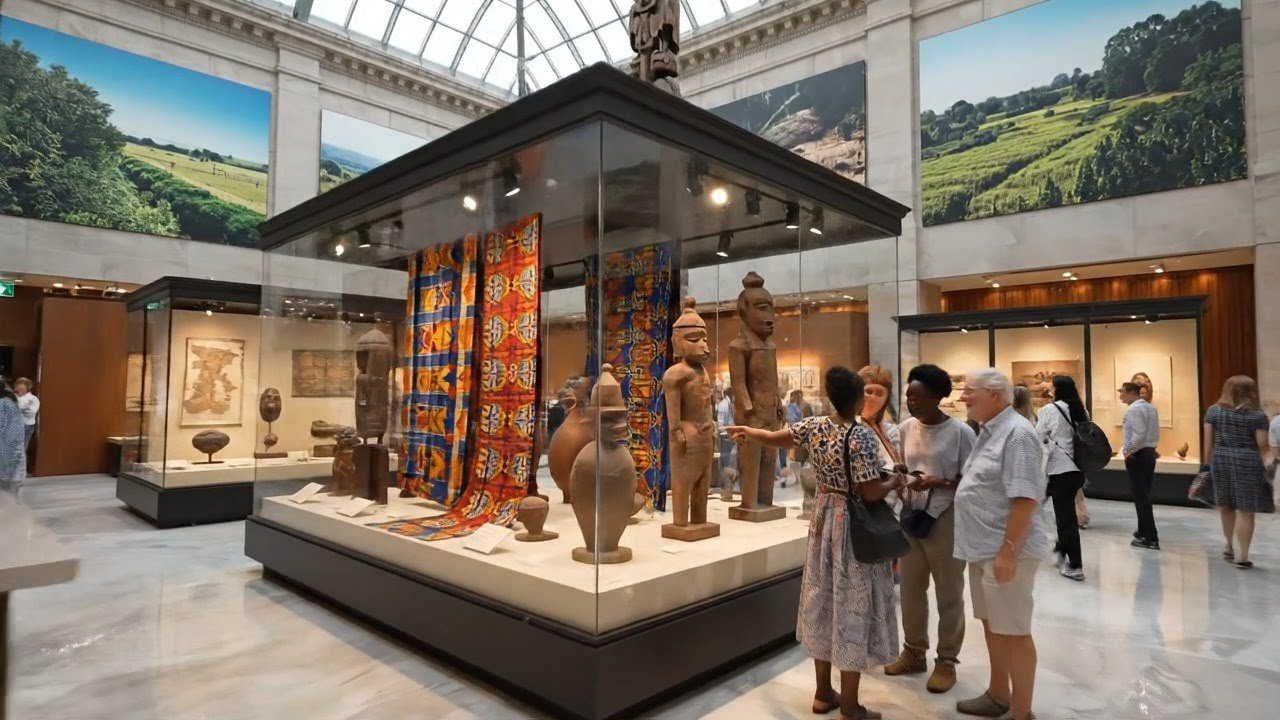
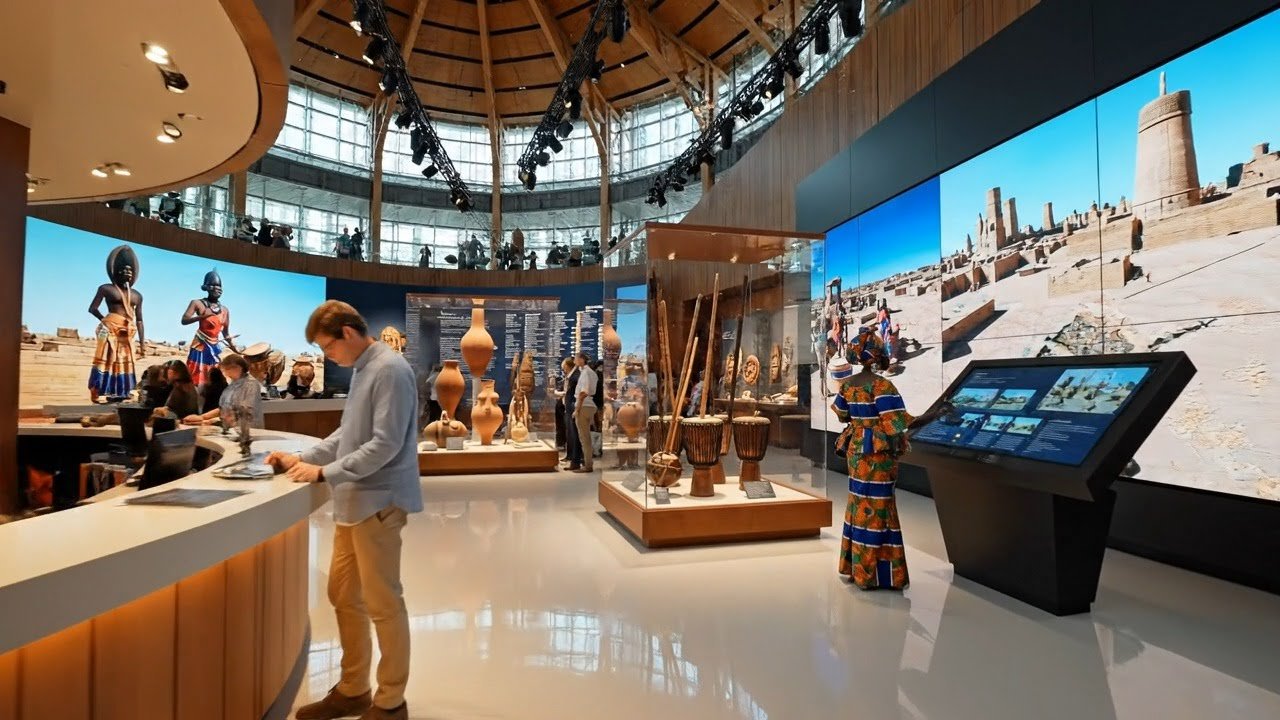
A design competition open to Gambian and international architects will produce a building that combines contemporary museum architecture with Gambian cultural reference, making the building itself a statement of national identity and a landmark worthy of the institution it contains. The permanent collection will present the complete narrative of Gambian history across five galleries: pre-colonial kingdoms and cultures drawing on oral history and archaeology; the transatlantic slave trade, presented without sanitising, with the full weight of what happened and the full humanity of those who suffered it; the colonial period and the groundnut economy; independence and the democratic journey; and Gambia today and tomorrow. Holographic storytelling, virtual reality, audio guides, and multimedia installations will make the history immersive and accessible to all ages. A digitised national archive, a children's discovery centre, conference rooms, and a public park surrounding the building will make the museum a civic landmark as well as an educational institution.
The NBP will develop Kunta Kinteh Island and the Jufureh heritage complex into the premier African diaspora heritage destination in the world, an experience of the depth and emotional resonance that those who make this journey have a right to find when they arrive.
A comprehensive conservation plan developed in partnership with UNESCO and international conservation architects will stabilise and preserve the physical fabric of the island to the standard its World Heritage designation requires. A new visitor centre and heritage interpretation building will be located at the mainland embarkation point at Jufureh rather than on the island itself, protecting the island's physical integrity while providing the orientation, interpretive content, and visitor services that prepare visitors for the significance of the island experience before they cross the water. The boat journey from the mainland will be developed as a deliberate part of the experience, with interpretive content beginning the heritage encounter on the crossing. A permanent multimedia installation presenting the life of Kunta Kinteh, the oral traditions of Jufureh, the mechanics of the slave trade at this location, and the global map of routes that enslaved Africans travelled from this point will anchor the interpretive programme. A Roots and Return Programme, developed with genealogical organisations, will provide diaspora visitors with ancestral research support and community connection. An annual Kunta Kinteh Island Commemoration, held each year with diaspora participation, will establish a permanent ceremonial practice of active remembrance. An Island Conservation Fund, financed by government, diaspora donors, UNESCO, and international heritage organisations, will secure ongoing conservation in perpetuity.
The NBP will transform Fort Bullen at Barra into a Trans-Atlantic Memorial Centre of international standard, a site of remembrance and historical reckoning that stands alongside the great memorial sites of the African diaspora experience anywhere in the world.
Fort Bullen at Barra, positioned at the mouth of the River Gambia, watched over the river through which enslaved Africans were transported to the Atlantic. Its location, its architecture, and its history make it one of the most historically charged sites on the entire West African coast. A full architectural conservation programme will stabilise and preserve the existing fort structures before any interpretive development begins. A purpose-built Memorial Centre building, designed with the architectural gravity the site demands, will house primary interpretive content, temporary exhibitions, an auditorium for lectures and film screenings, and a Wall of Names installation listing the names of enslaved Africans documented from ship manifests, plantation records, and oral histories. The approach to the site from the ferry terminal at Barra will be developed as a designed arrival sequence, with interpretive wayfinding beginning the heritage experience from the moment the visitor crosses the river. A Memorial Garden of Reflection will provide the space for contemplation and grief that a site of this weight requires.
The NBP will develop Janjanbureh as the cultural and historical capital of the river corridor, restoring its colonial-era architecture, building a heritage interpretation centre, and erecting a Liberation Monument in the town square that honours the resilience and dignity of those who resisted.
Janjanbureh is one of The Gambia's most historically rich towns and one of its most undervisited. Restoration of the historic colonial-era buildings along the riverfront, a heritage interpretation centre presenting the town's colonial, missionary, and independence history with honesty and depth, and the development of accommodation and hospitality infrastructure appropriate for the river tourism market will transform Janjanbureh into a destination that diaspora visitors and cultural tourists seek out, not just pass through. A Liberation Monument in the town square will symbolise the resilience, agency, and endurance of those who were enslaved and those who fought for freedom, making it a national gathering point for reflection and pride. The Janjanbureh Heritage Trail, connecting all the historic sites of the town and the surrounding river landscape, will provide a structured, interpretively rich experience for visitors spending one or more nights in the town.
The NBP will develop the Wassu Stone Circles and other significant inland heritage sites, ensuring that the full breadth of Gambian historical heritage is preserved, interpreted, and accessible, not only the sites associated with the transatlantic slave trade.
The Wassu Stone Circles, one of the most extraordinary archaeological sites in West Africa and already a UNESCO World Heritage site, will receive a purpose-built visitor centre providing the context, interpretation, and visitor services that allow visitors to understand and appreciate what they are seeing. The Janjanbureh to Wassu heritage circuit, connecting the two World Heritage sites on a defined itinerary, will create a multi-day interior tourism product that gives the cultural heritage of the river corridor the coherent visitor offer it deserves. Archaeological research partnerships with the University of The Gambia and international institutions will deepen the evidence base for the interpretation of pre-colonial Gambian civilisations, addressing the historical gap that European accounts of the region have left. A national register of protected archaeological sites will be established, preventing the accidental or deliberate destruction of heritage sites during development and agricultural activity.
The NBP will integrate the national history museums and memorial centres into the school curriculum, ensuring that every Gambian child grows up knowing their history, visiting the places where it happened, and understanding the full complexity of what their country has been through and what it has built.
The national curriculum will be updated to include the history of the transatlantic slave trade, pre-colonial Gambian kingdoms, the colonial period, independence, and democratic development as core content at upper primary and secondary level. All upper primary and secondary schools will conduct annual field visits to the National History Museum and, on a rotating regional basis, to the slave trade memorial sites. Curriculum integration materials, developed jointly by the National Heritage Development Commission and the Ministry of Education, will prepare students for visits and provide follow-up learning resources. A Diaspora in Residence programme will bring African diaspora educators, historians, and cultural practitioners to Gambian schools and the museum for residencies that deepen students' engagement with the diaspora connection to their country. A travelling exhibition programme will bring elements of the National History Museum's collection to communities across all seven regions, ensuring that the history belongs to every Gambian, not only those who can travel to Banjul.
The National Builders Party will position The Gambia as the pre-eminent heritage destination for the global African diaspora, building the diaspora partnerships, the fundraising connections, and the international cultural diplomacy that ensures these sites are known, supported, and visited by the communities whose history they hold.
A Diaspora Heritage Fund, established by the NHDC and open to contributions from diaspora individuals, organisations, foundations, and institutions, will provide a dedicated resource for site development, conservation, and programming. Diaspora Heritage Tours, developed through the National Tourism and Culture Authority, will create structured itineraries connecting Kunta Kinteh Island, Fort Bullen, the National History Museum, and Janjanbureh in a coherent programme designed for diaspora visitors. Cultural diplomacy partnerships with diaspora organisations in the United States, the Caribbean, the United Kingdom, and continental Africa will promote The Gambia as the place where the transatlantic slave trade story is told most powerfully, most honestly, and most fully. A Seek UNESCO World Heritage listing for the Trans-Atlantic Memorial Centre network will connect The Gambia's slave trade memorial sites to the international community of heritage sites through which the world understands and preserves the memory of this history.
For the African Diaspora
You make a journey of profound personal meaning when you come to this land. The National Builders Party will ensure that the experience you find when you arrive matches the weight of that journey. A visitor centre at Jufureh that prepares you before you cross the water. An island that receives you with the quiet and the gravity it owes to what happened there. A Wall of Names that might hold the name of someone whose story connects to yours. A community that welcomes you not as a tourist but as a descendant coming home.
For Young Gambians
Your history is extraordinary. Ancient kingdoms. A river that was the site of the transatlantic slave trade. A colonial period your ancestors lived through. An independence that your grandparents' generation fought for and won. A democratic struggle that continues. A National History Museum will give all of it a home you can walk into, see, touch, and feel. School visits to the slave trade memorial sites will connect you to this history not as something that happened elsewhere but as something that happened here, on this ground, in this river, in this land.
For Every Family
Pride in who you are begins with knowing where you come from. Every Gambian family carries a connection to the history that these museums and memorial centres will tell. A National History Museum open to all, with programmes for schools and communities across every region, means that this history belongs to everyone, not only those who study it or those who can afford to travel. Understanding this past is not a burden. It is the foundation of the confidence and the dignity that a people builds its future on.
The New National Standard for heritage is honesty and dignity. Honesty about what happened in this land, on this river, at these forts. No sanitising. No partial telling. The full weight of it, presented with the care and the scholarship that the subject demands. Dignity for those who suffered it, whose names we reconstruct from ship manifests and plantation records and oral histories passed down across generations. A National History Museum that every Gambian child can visit and leave knowing their history more fully than when they walked in. A Kunta Kinteh Island that the diaspora visits and leaves feeling that the journey they made was met by the care it deserved. Memorial Centres that stand not only as tourist destinations but as places of active, permanent remembrance. This commitment to memorialise our history is a pledge to honour our ancestors, educate our youth, attract the world's attention, and shape a more conscious and proud future for all Gambians. The National Builders Party will build every element of it.
The River Gambia carried people away in chains. It will carry their descendants home in dignity. The National Builders Party will build the museums, the memorials, and the experience that makes this land worthy of every journey made to find it. This is not a tourism strategy. It is a duty. And we will honour it.